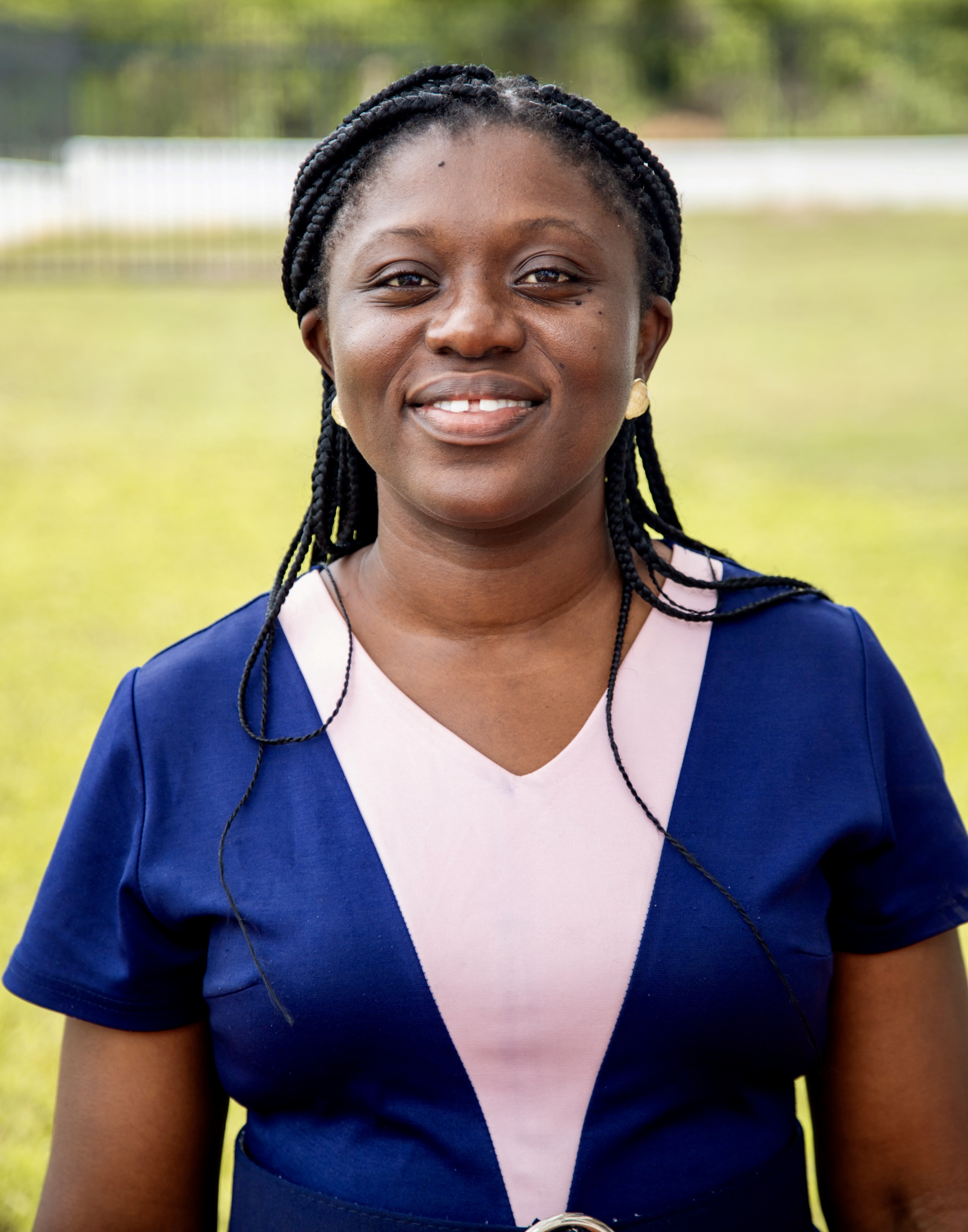
Dr. Freda Osei Sefa
Dr. Freda Osei Sefa, a Research Fellow at the Legon Centre for Education Research and Policy (LECERP), has been awarded the Foundational Learning Research Grant to undertake a study titled “From Labels to Learning: How Teachers Navigate Dyslexia and Inclusion in Ghanaian Classrooms.”
The grant is funded by Education Sub-Saharan Africa (ESSA) and the Research for Equitable Access and Learning (REAL) Centre at the University of Cambridge, with support from the Gates Foundation and the Global Partnership for Education Knowledge and Innovation Exchange (GPE KIX). The study responds to the growing need for robust empirical evidence in foundational learning research, particularly in the area of learning disabilities.
Globally, an estimated 15–20 per cent of the population is dyslexic, while the Africa Dyslexia Group reports that approximately 10 per cent of Ghanaians are affected. Dyslexia is commonly associated with difficulties in reading and writing and often results in poor academic performance. Over time, these challenges may lead to low self-esteem, stigma, limited classroom participation, school dropout, and restricted career opportunities.
Dr. Osei Sefa’s research seeks to explore dyslexia from the perspective of basic school teachers, particularly those teaching pupils in Grades One to Three. The study will assess teachers’ understanding of dyslexia, their ability to identify learners who may be affected, and the strategies and resources they employ to support such pupils within inclusive classroom settings.
Early childhood is widely recognised as a critical stage for identifying dyslexia because it is during this period that children develop foundational literacy and numeracy skills essential for learning. In Ghana, however, nearly 80 per cent of children are reported to complete primary education without attaining basic literacy and numeracy competencies. This raises important concerns about whether teachers are adequately equipped with the knowledge, skills, and tools required to identify pupils with dyslexia and provide appropriate support.
According to Dr. Osei Sefa, the research will examine teachers’ perceptions, practices, and available support systems in order to better understand how dyslexia is recognised and managed in Ghanaian classrooms. The study aims to generate insights that will promote equity, reduce educational disadvantages, and strengthen foundational literacy outcomes for all learners.
To ensure broader coverage and comparative insights, the study will be conducted in the Bono Region, Greater Accra Region, and Northern Region of Ghana, deliberately capturing both urban and rural school contexts. This approach is expected to provide nuanced understanding of how contextual factors influence teachers’ knowledge of dyslexia and their inclusive classroom practices across diverse settings.
The findings are expected to contribute significantly to Ghana’s foundational learning landscape by informing discussions on early literacy and learning disabilities, advancing scientific knowledge, and raising awareness about the educational needs of pupils with dyslexia. The study will also support the development of inclusive and responsive learning environments, strengthen early identification and support systems, and contribute to Ghana’s progress towards achieving Sustainable Development Goal 4, which seeks to ensure inclusive and equitable quality education for all.
The research aligns with Ghana’s inclusive education policy, which draws inspiration from the Salamanca Statement advocating the education of pupils with and without disabilities within the same classroom environment.
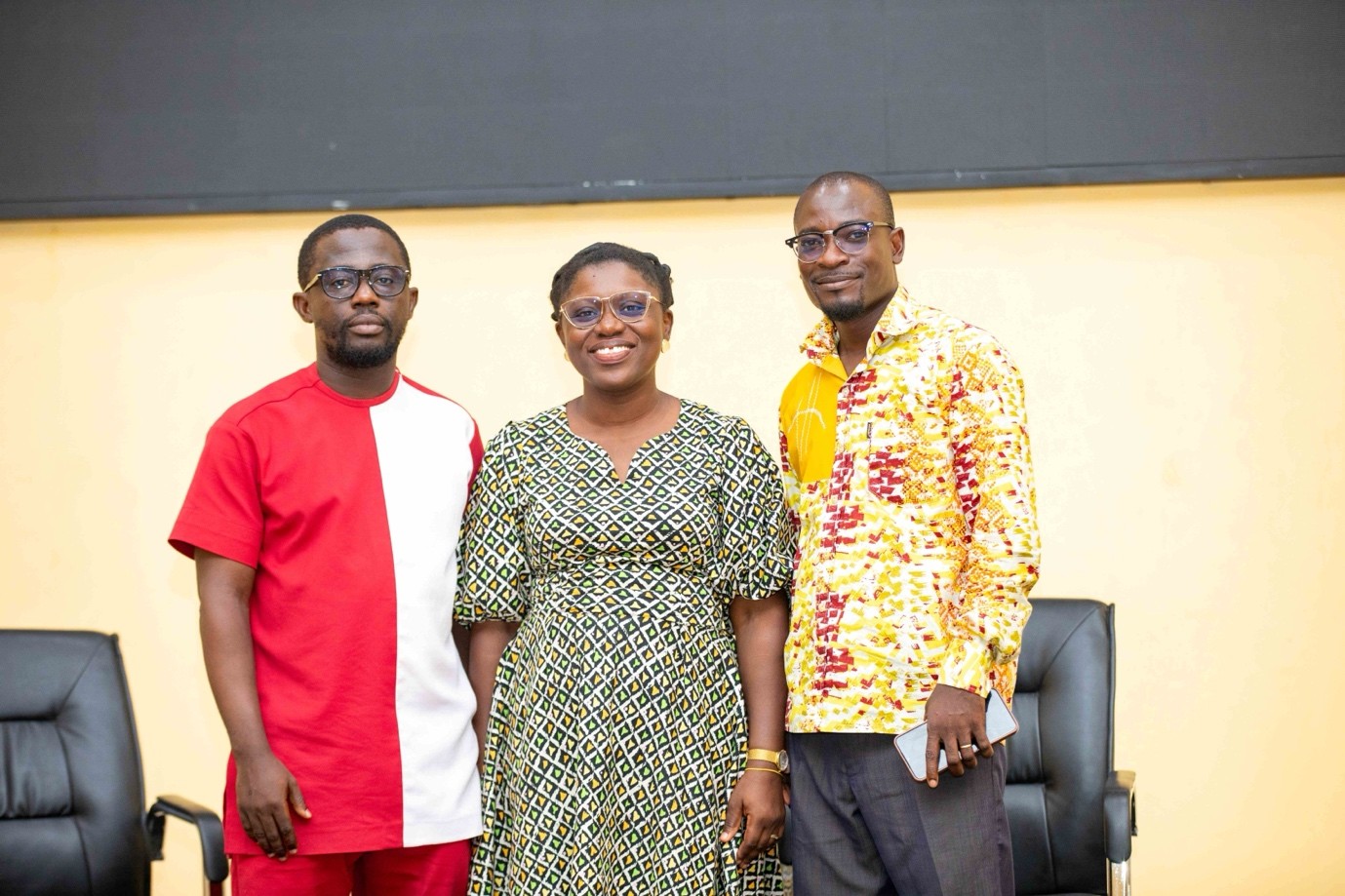
Left to Right: Dr. Martin Wiredu Agyekum, Dr. Osei Sefa and Dr. Innocent Agbelie
Dr. Osei Sefa is undertaking the project in collaboration with Dr. Martin Wiredu Agyekum and Dr. Innocent Agbelie, both Research Fellows at LECERP. The research team is conducting the study under the mentorship of Dr. Clement Adamba, Director of LECERP.