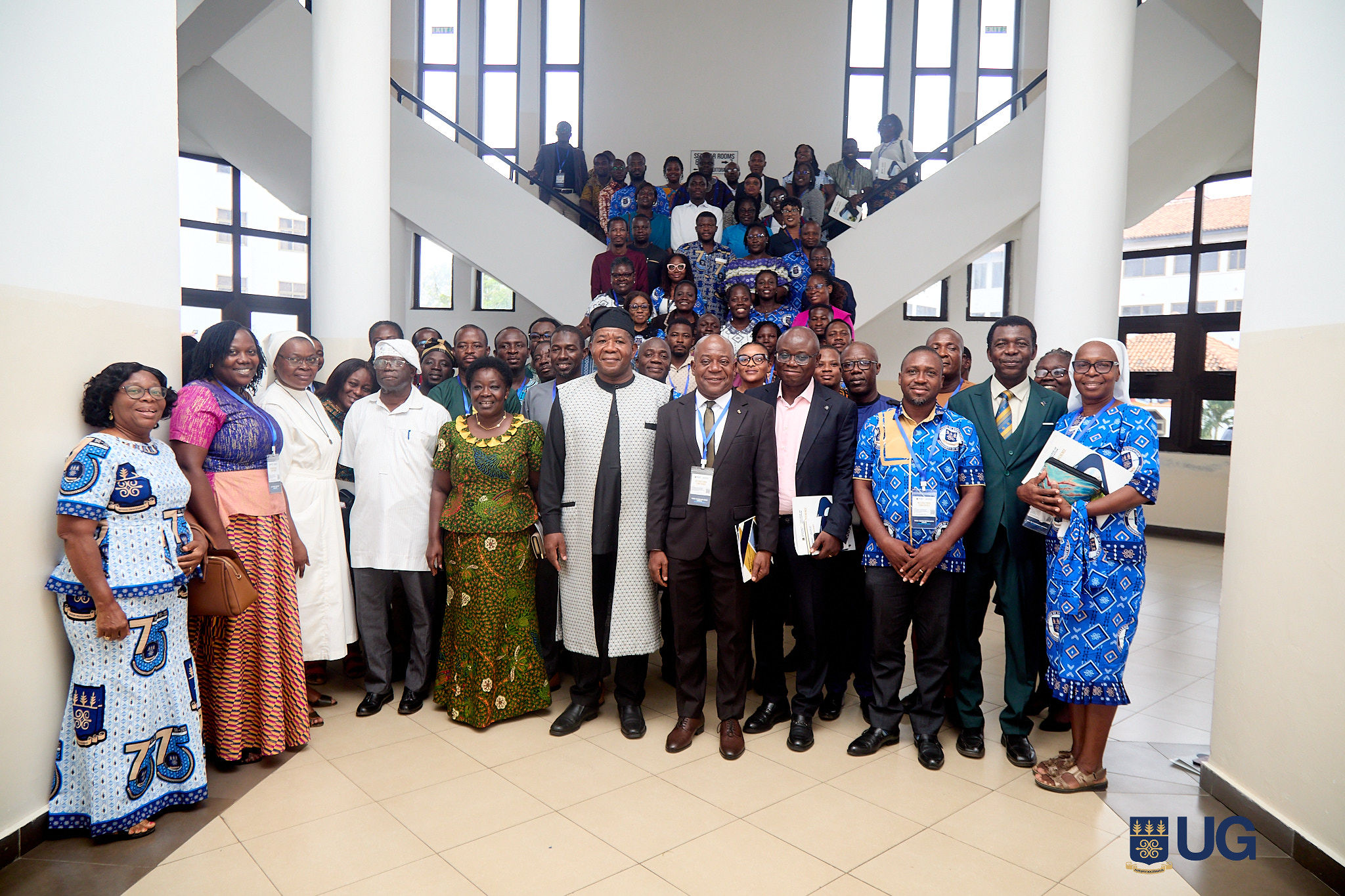
The College of Education, University of Ghana, has successfully hosted its first unified international conference, bringing together academics, policymakers, students, industry stakeholders and international partners to address pressing issues in education, communication, information and technology.
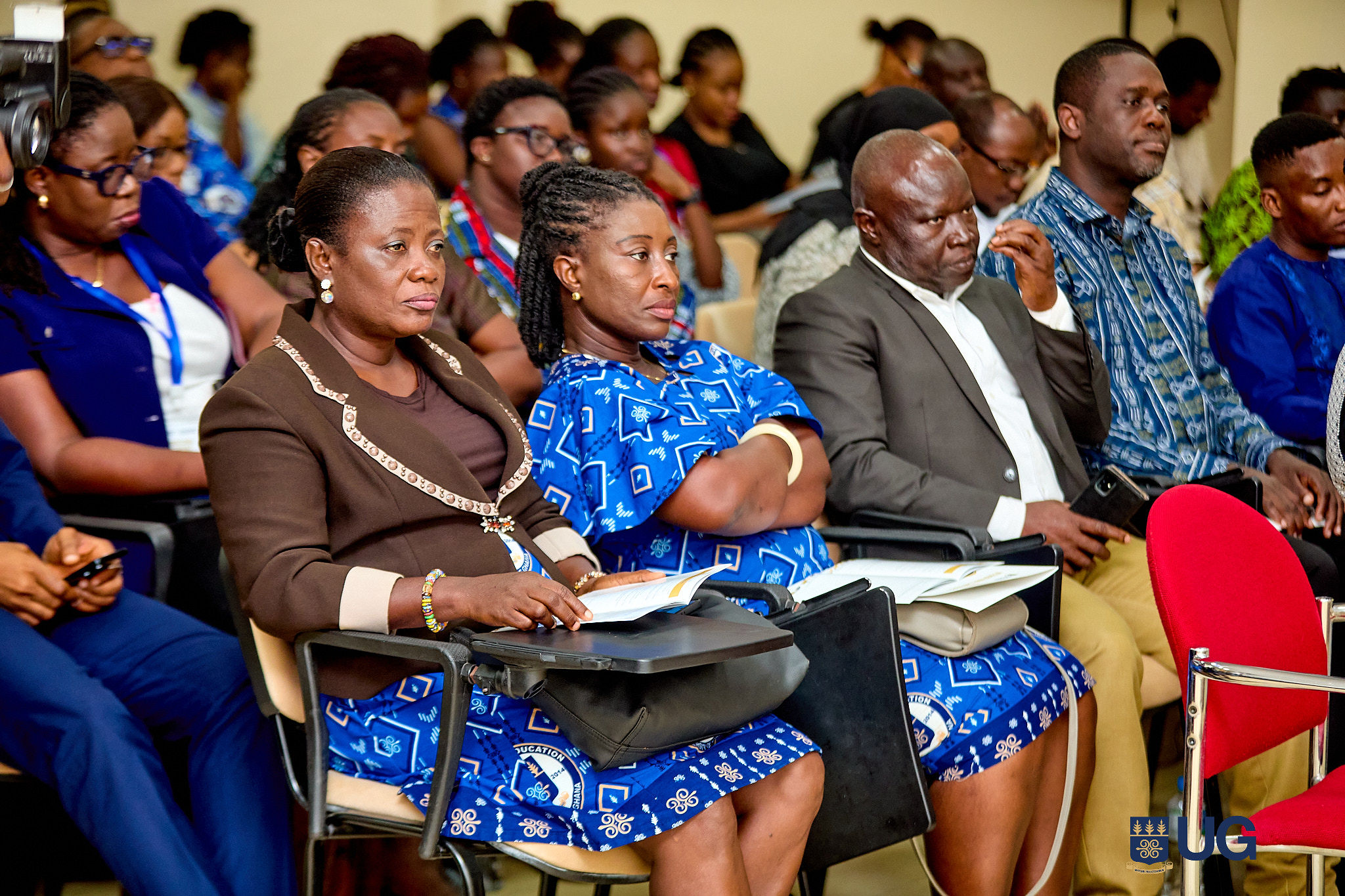
A Cross-section of participants
The two-day event, held under the theme “Addressing Contemporary Challenges in Education, Communication, Information and Technology,” provided a platform for dialogue, knowledge exchange and collaborative innovation in response to the rapid digital transformations shaping global societies. The conference also marked a significant milestone for the College as it consolidated multiple departmental conferences into a single international platform.
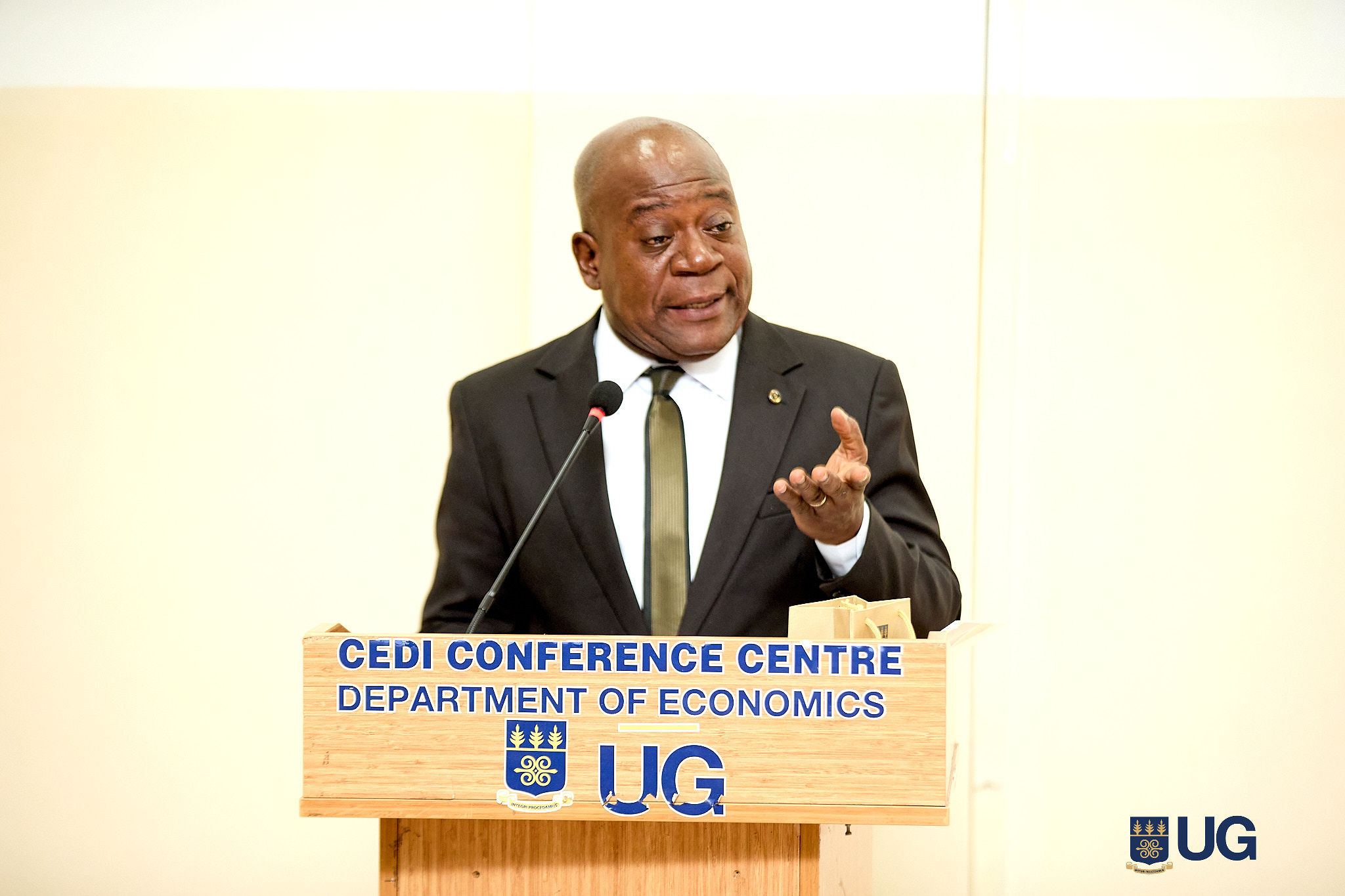
Prof. Samuel Nii Ardey Codjoe, Provost of the College of Education
Opening the conference, the Provost of the College of Education, Prof. Samuel Nii Ardey Codjoe, described the conference as a historic milestone for the College. He noted that it marked the first time multiple departmental conferences had been brought together into a single international platform.
“This unified conference is more than a logistical achievement. It is symbolic and a strategic step towards strengthening collaboration, breaking down silos and amplifying the global voice and impact of our college,” Prof. Codjoe said.
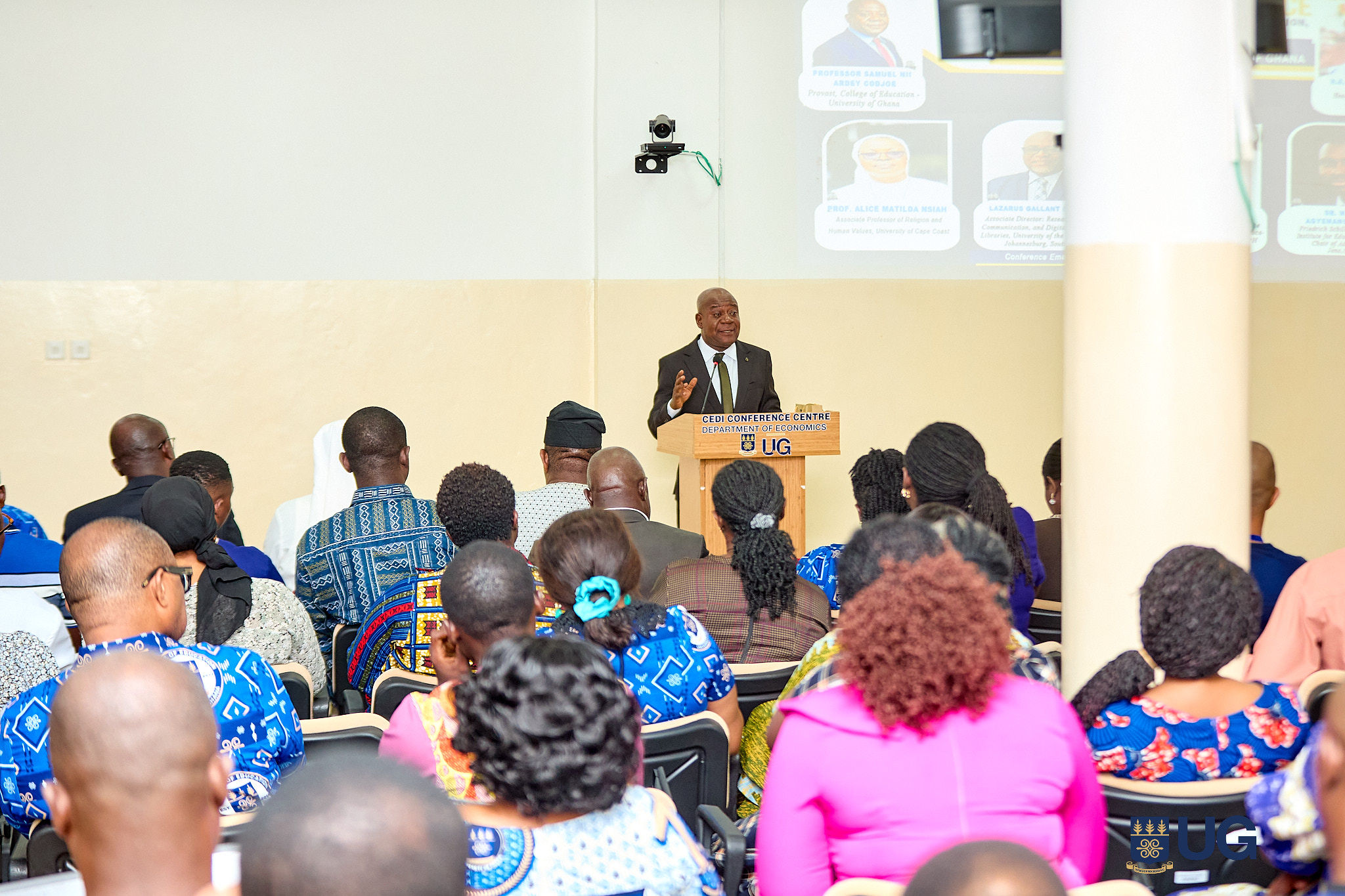
A Cross-section of participants
He further encouraged greater participation from the College’s affiliated institutions and Ghana’s public Colleges of Education in future editions.
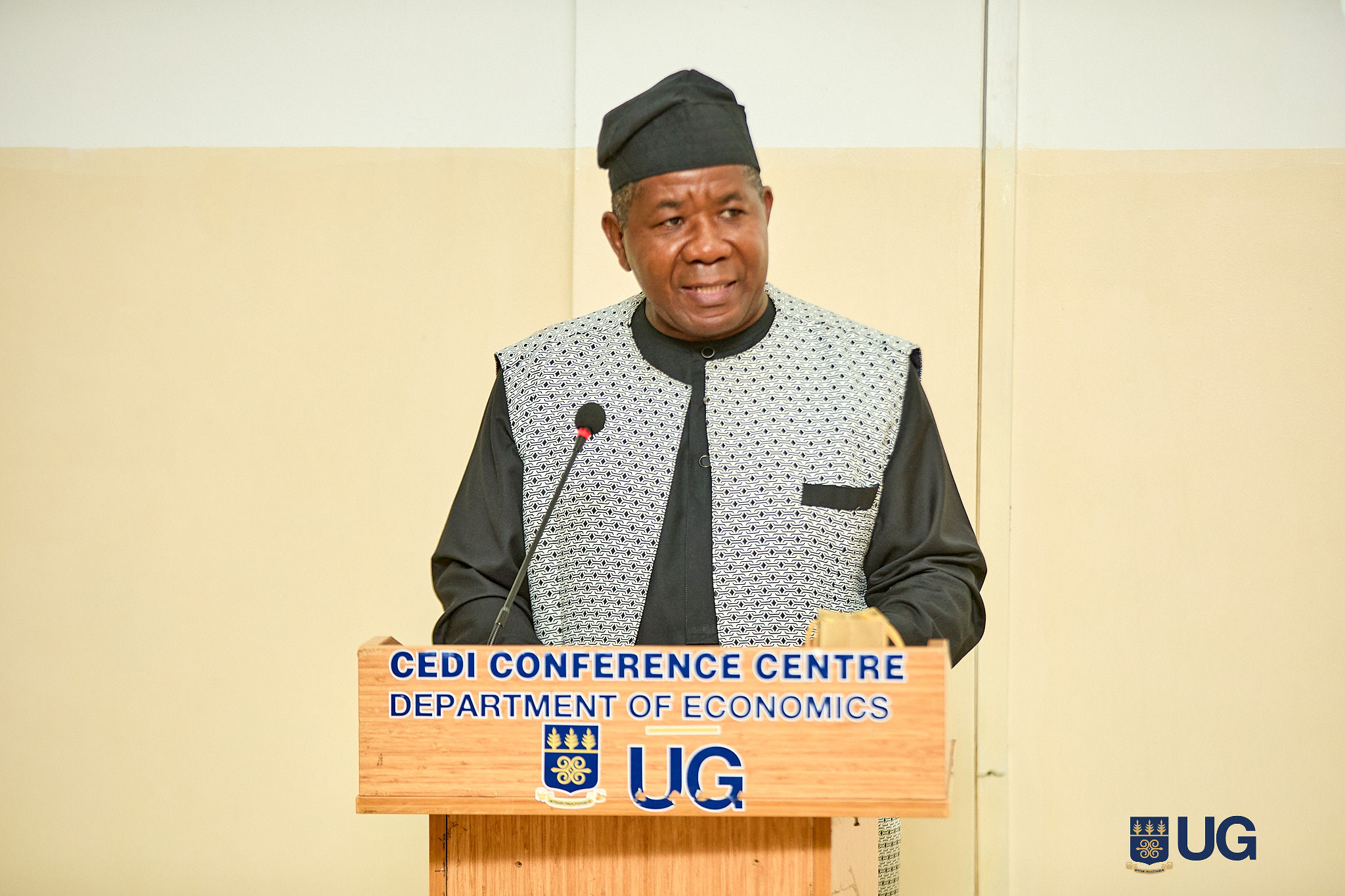
H.E. Edmond Moukala, UNESCO Representative to Ghana
Delivering the keynote address, UNESCO Representative to Ghana, H.E. Edmond Moukala, urged African institutions to harness the continent’s impending demographic dividend. With projections indicating that one in every four people on Earth will be African by 2050, he cautioned that failure to invest in quality education and digital skills could transform this “youth bulge” into a demographic challenge.
“Time is currently on Africa’s side, but only if we act with urgency,” H.E. Moukala emphasised. He advocated for digital sovereignty, critical information literacy to combat misinformation and the development of African-led technologies, including large-language models rooted in local languages and indigenous knowledge systems.
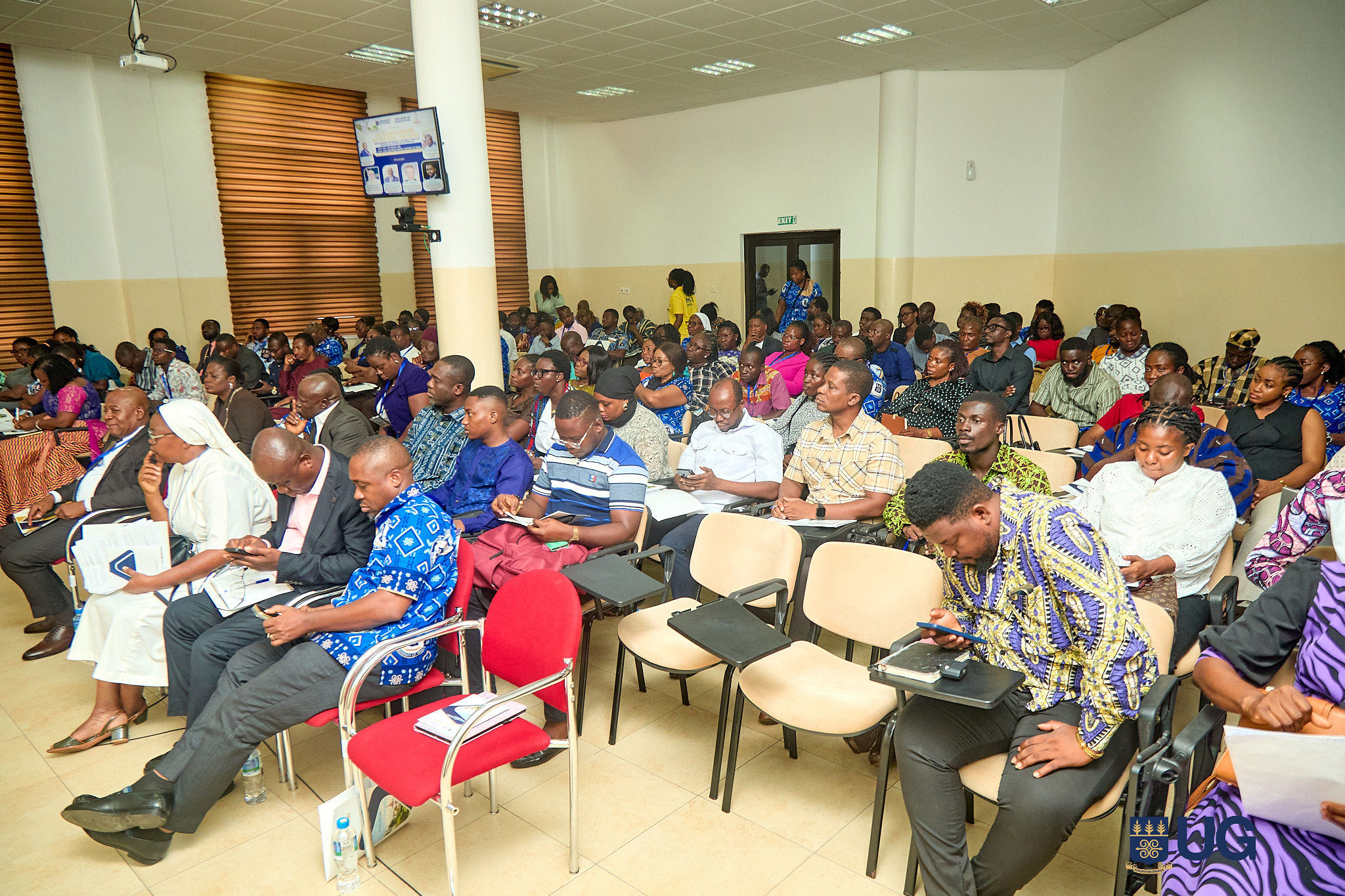
A cross-section of participants
Linking the conference to Ghana’s upcoming 70th independence anniversary, the UNESCO Representative framed the event as a continuation of Osagyefo Dr. Kwame Nkrumah’s vision of mental and technological liberation. He commended the University of Ghana for convening the dialogue at a critical time when the world remains off-track in achieving Sustainable Development Goal 4 on quality education by 2030.
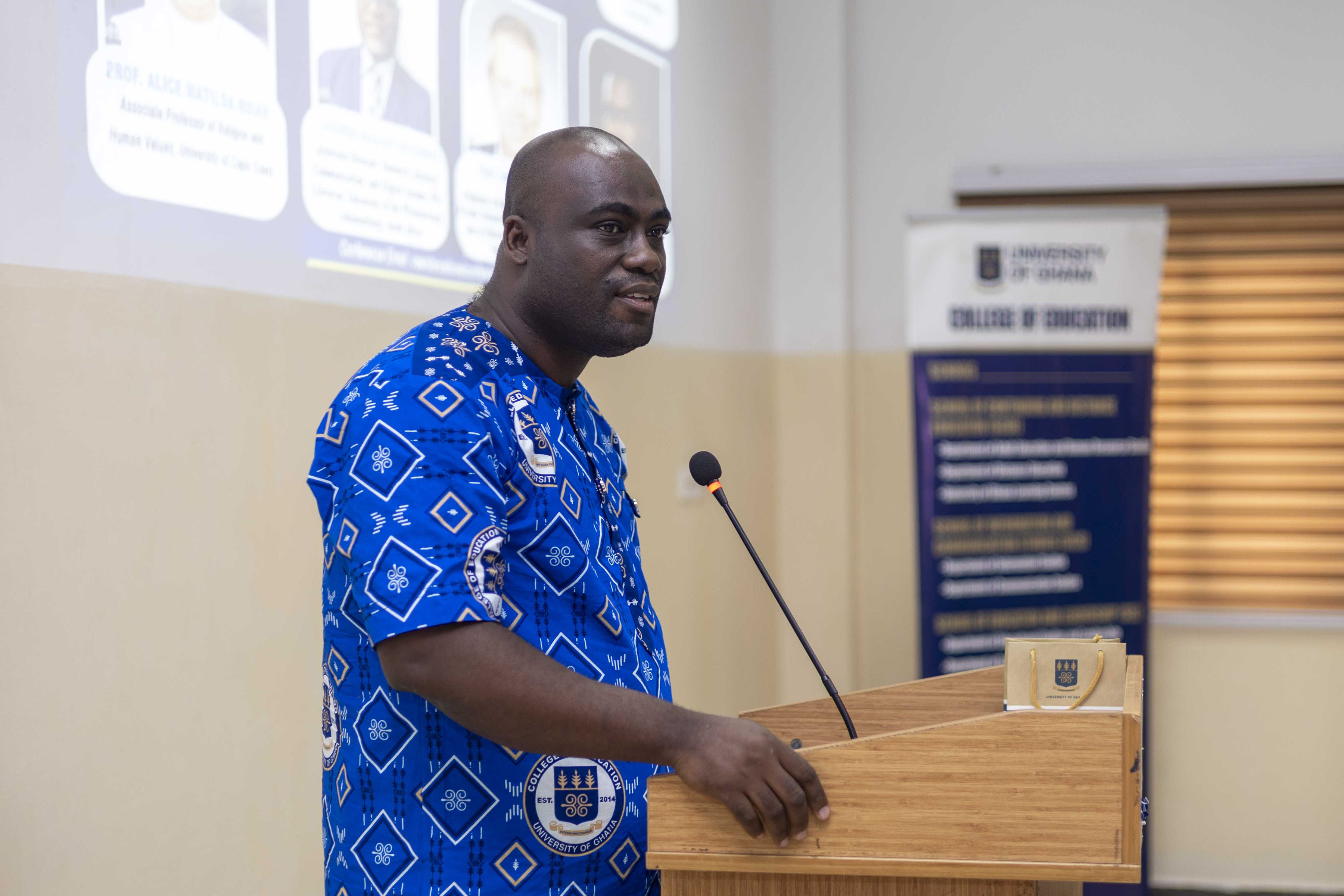
Prof. Philip Kankam, Chairman of the Organising Committee
In his remarks, the Chairman of the Organising Committee, Prof. Philip Kankam, explained the purpose of the conference. “This conference provides an important platform for academics, students, professionals and stakeholders in education to exchange ideas, share knowledge and present research on these critical issues,” Prof. Kankam added.
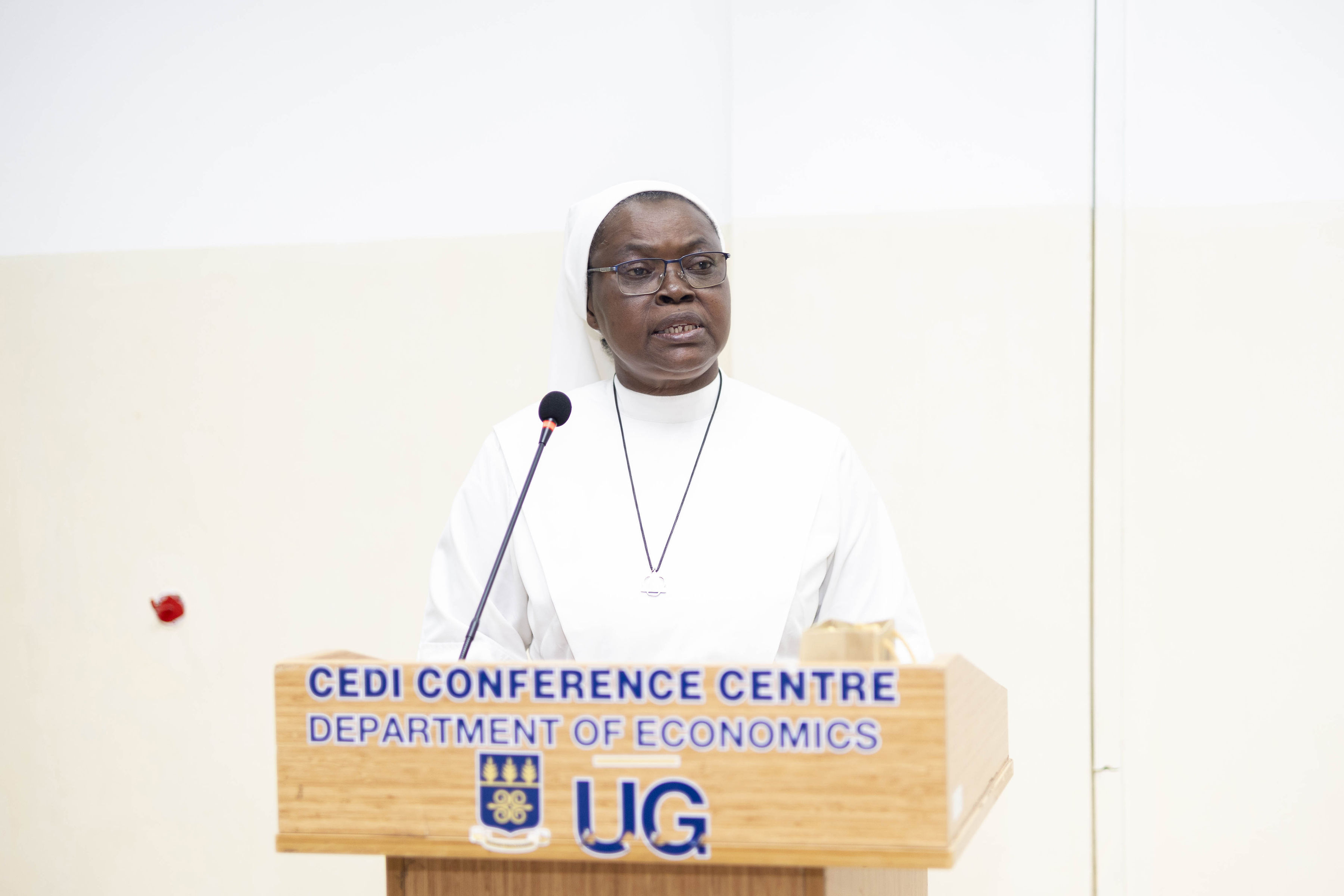
Prof. Alice Matilda Nsiah, University of Cape Coast
The first plenary session was led by Prof. Alice Matilda Nsiah of the University of Cape Coast, who presented on “A Reflection on Equity and Inclusivity in Basic Education in Rural Ghana,” using Nkawkaw, Sekyere East District in the Ashanti Region as a case study. She highlighted severe challenges in the district, including the annual departure of about 40 teachers due to poor school conditions, with some schools staffed by only three teachers (including the headteacher) serving learners from kindergarten to primary level.
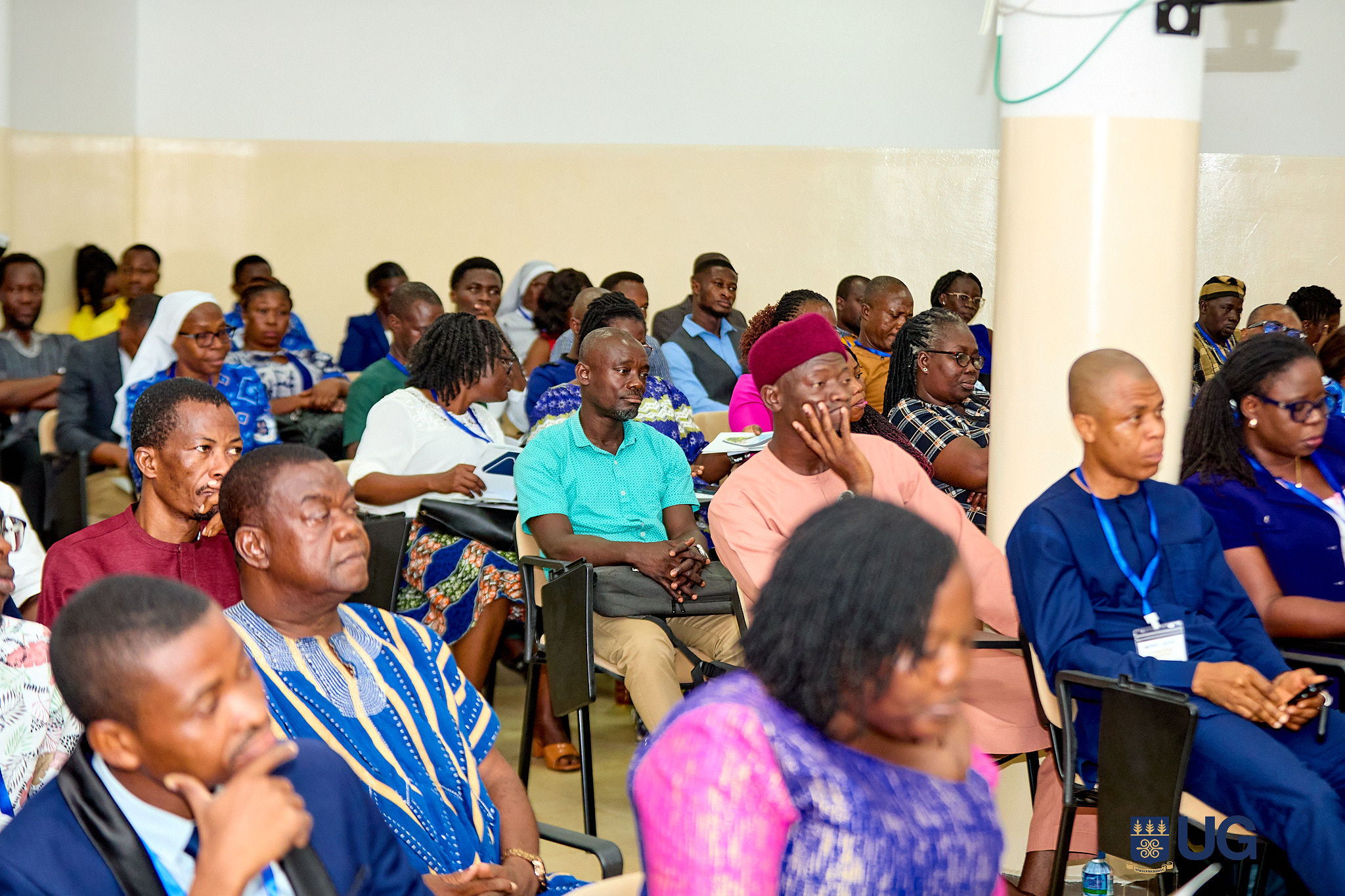
A cross-section of participants
She further observed that the absence of junior high schools in several communities compels pupils to travel long distances on poor road networks, contributing to high dropout rates, child involvement in illegal mining activities and teenage pregnancies among girls. She recommended targeted incentives for teachers in deprived areas and called for increased attention to boys’ empowerment.
Day one concluded with an interactive question-and-answer session. The Dean of the School of Continuing and Distance Education, Prof. Olivia Kwapong, shared her personal educational journey from Juaso to Harvard, encouraging participants to make the most of every opportunity available to them.
The second day featured additional plenary sessions and parallel breakout discussions. Prof. Bernhard Krön of the Private University College of Teacher Education of Christian Churches Austria delivered a presentation on “No Student Is Invisible: Equity and Inclusion Through Classroom Assessment,” emphasising inclusive assessment practices that recognise diverse learning needs.
Another plenary session was delivered by Lazarus Gallant Matizirofa of the University of the Witwatersrand, Johannesburg, on “Maximising Research Impact and Visibility Through Digital Scholarship and Open Platforms.” He underscored the importance of leveraging digital tools and open access platforms to enhance the visibility and societal relevance of academic research.
These plenary sessions were complemented by concurrent breakout sessions, where participants presented papers and engaged in discussions across various thematic areas.
The conference aligns with the strategic objectives of the University of Ghana and is expected to strengthen the College of Education’s international reputation through enhanced research collaboration, increased visibility and the development of innovative solutions to contemporary educational challenges.