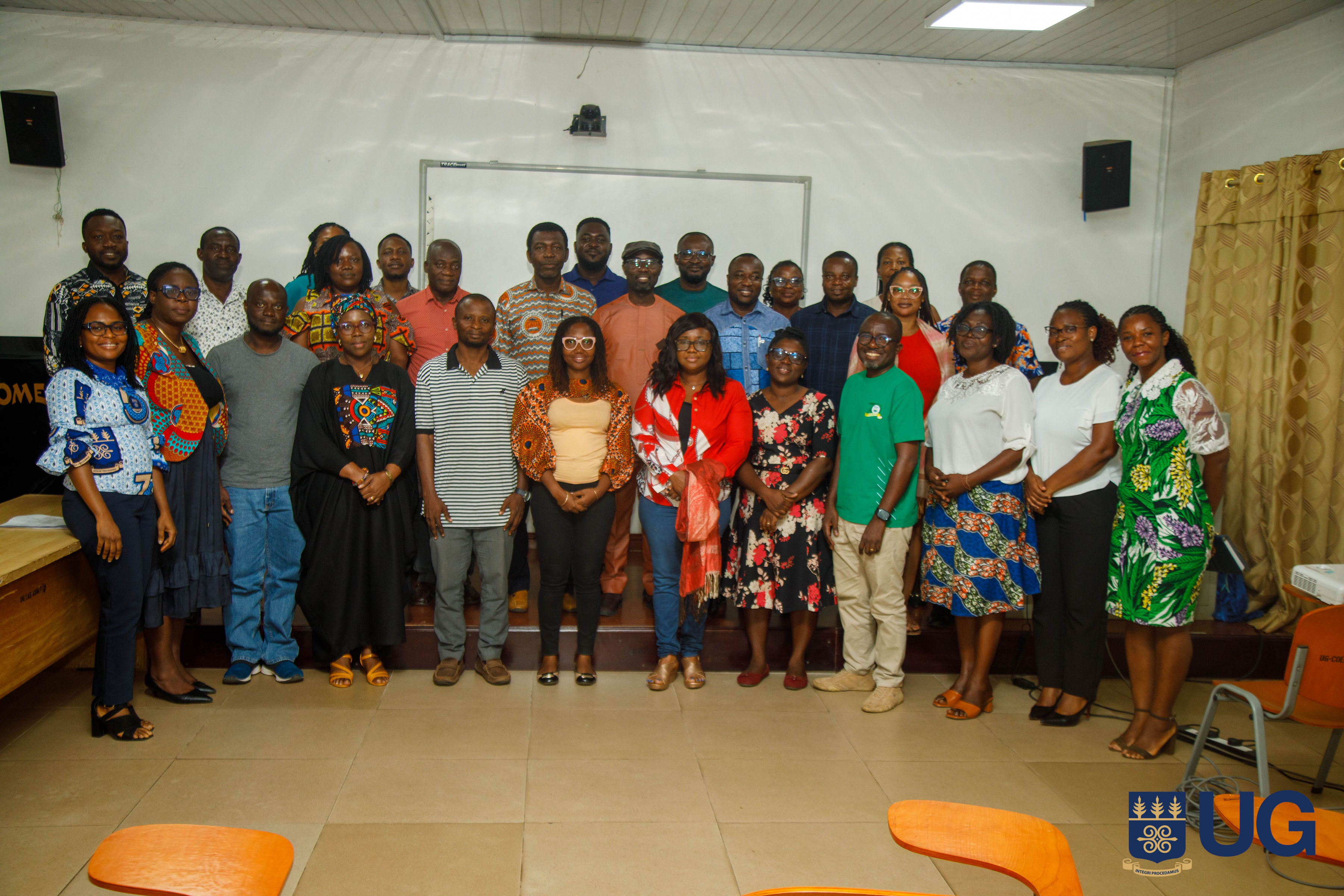
The Grants Management and Research Support Unit, College of Education, UG has held the second edition of its Grantsmanship Training Workshop, aimed at strengthening faculty expertise in grant writing and advancing trans-disciplinary research collaboration.
The training forms part of the College’s sustained efforts to deepen its research culture and improve competitiveness in securing funding. Building on an earlier session, the workshop focused on the strategic importance of cross-disciplinary partnerships in addressing complex global challenges.
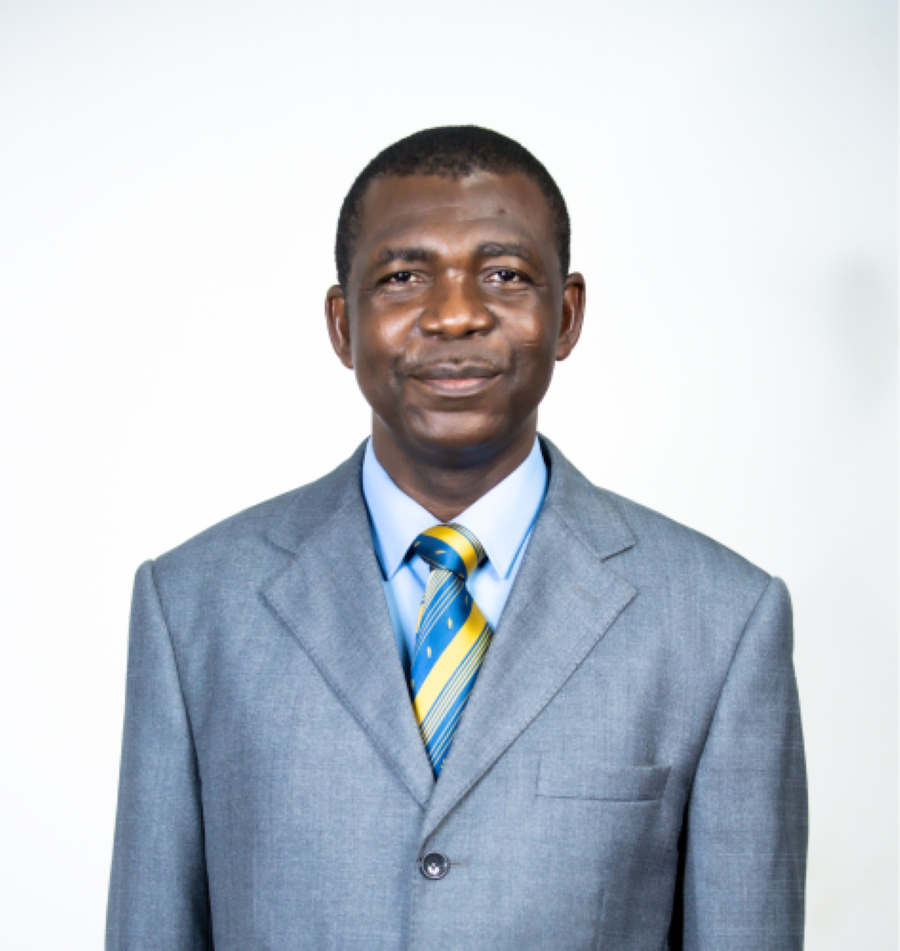
Mr. Joseph Oduro Nkansah, College Registrar
Speaking at the opening session, the College Registrar, Mr. Joseph Oduro Nkansah, reaffirmed the College’s commitment to promoting a strong and sustainable research environment. He noted that the workshop was designed to equip faculty with the skills required to navigate the evolving demands of collaborative research. “In an increasingly interconnected academic landscape, the ability to work across traditional disciplinary boundaries is no longer merely an advantage,” he cautioned, adding that “it is a necessity for securing major funding and addressing multifaceted global challenges.”
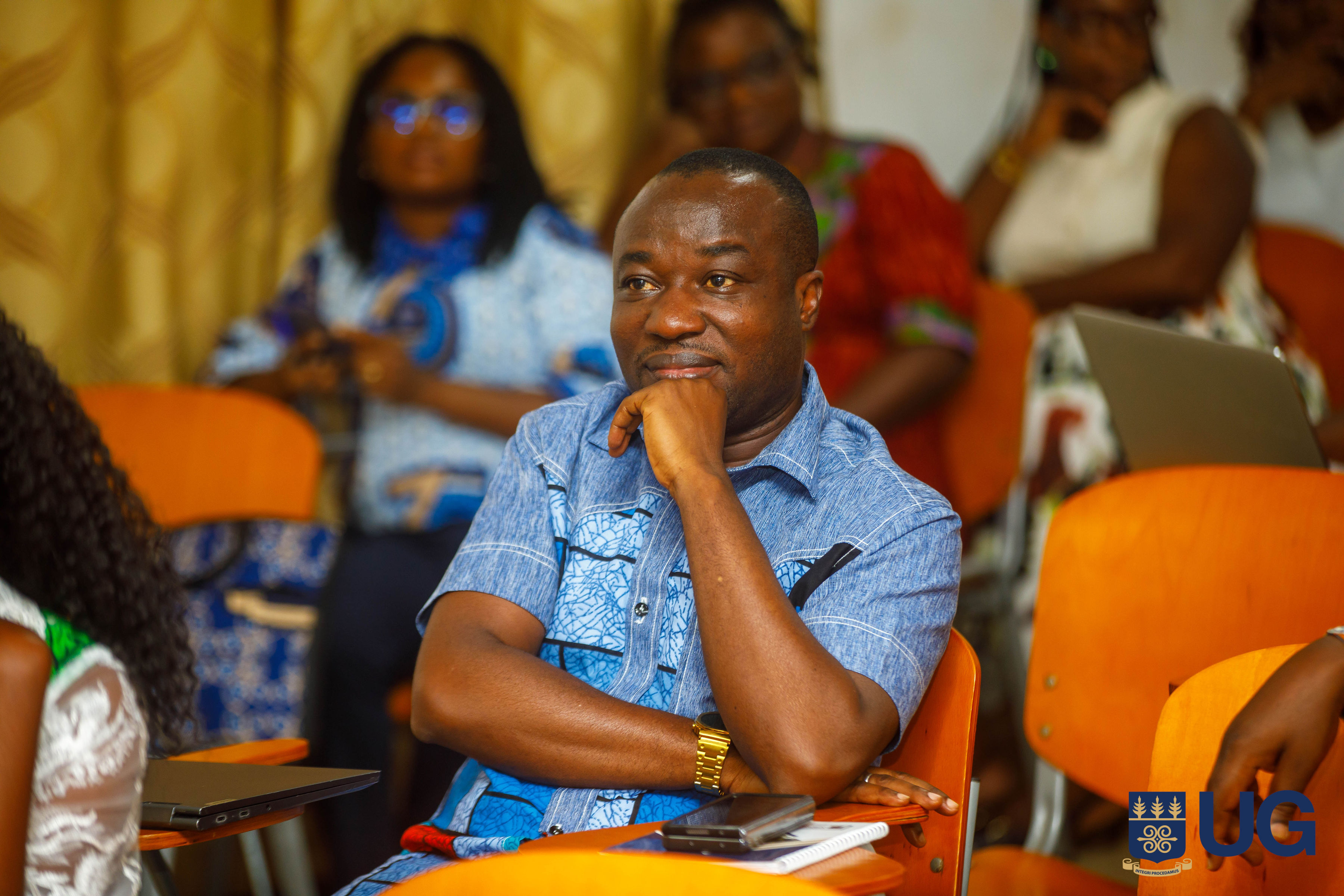
A cross-section of participants
Mr. Nkansah commended the Grants Management and Research Support Unit for organising the workshop and urged participants to take full advantage of the opportunity, expressing confidence that the training would result in innovative and collaborative research proposals.
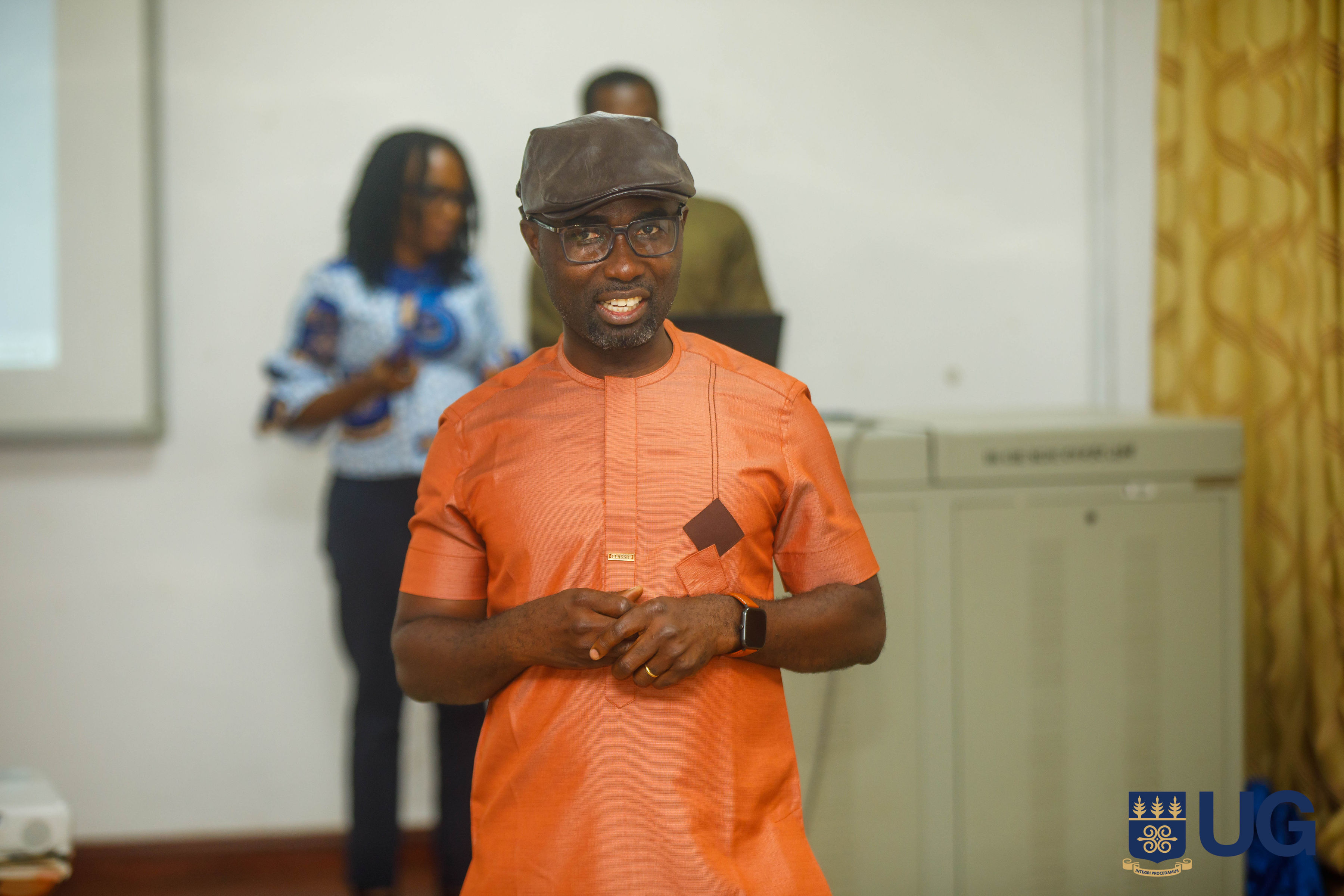
Professor Richmond Aryeetey, School of Public Health, UG
The main presentation was delivered by Professor Richmond Aryeetey, School of Public Health, who highlighted that success in grant acquisition requires a combination of technical competence and strategic positioning. He stressed that impactful research is rarely conducted in isolation. “You cannot do it by yourself. You need somebody,” he told participants, underscoring the value of collaboration.
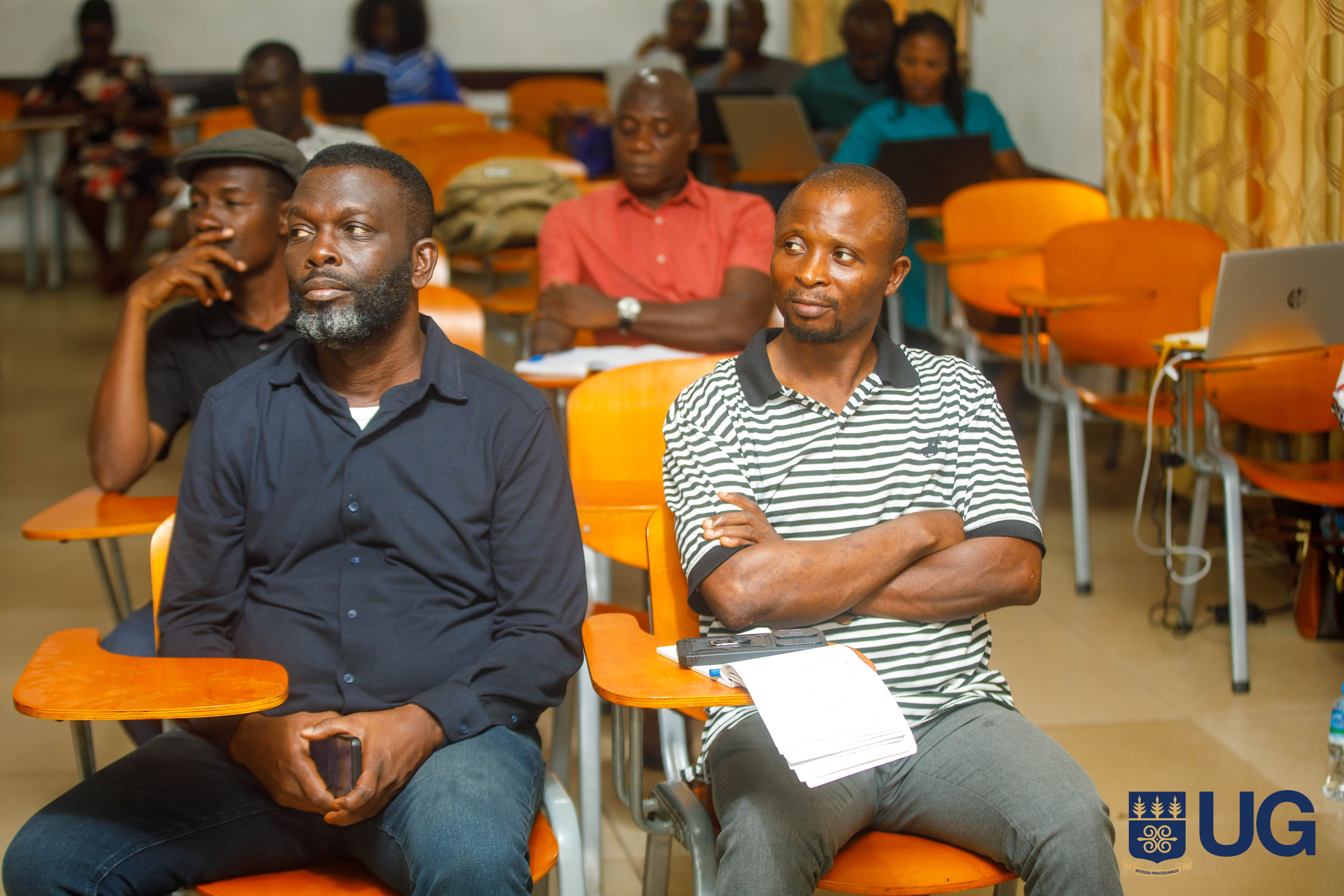
A cross-section of participants
Drawing on his professional experience, Professor Aryeetey highlighted the distinction between competitive and non-competitive grants. He cited a recent £250,000 grant secured through an existing relationship with a funder, rather than through open competition. He also recounted how a partnership initiated at a conference in Kenya in 2010 developed over time into major funding opportunities, including a $1.3 million project supported by the Bill and Melinda Gates Foundation.
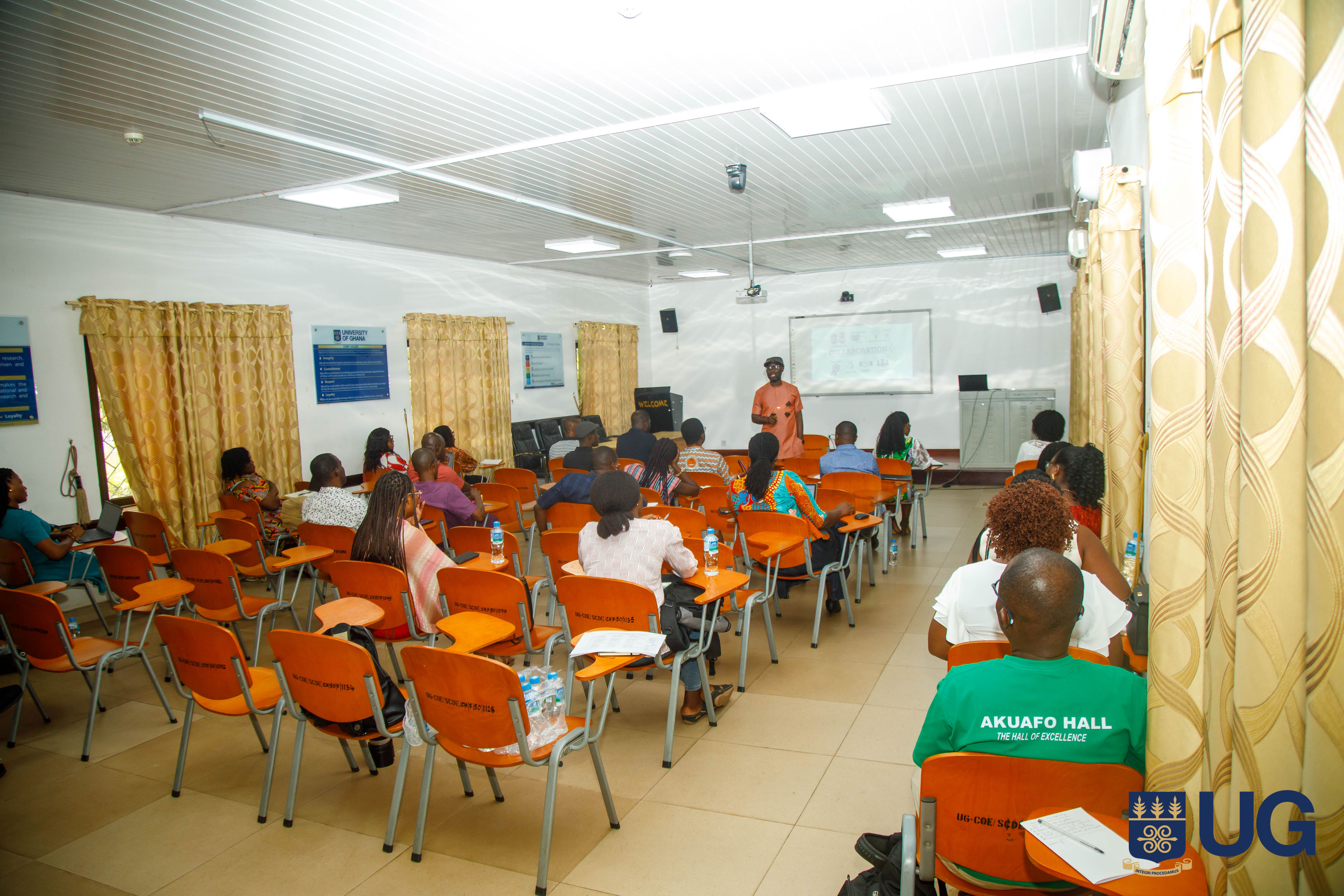
He encouraged faculty to approach networking deliberately, describing it as the building of genuine professional relationships beyond formal academic settings. According to him, informal engagements at conferences often yield more opportunities than formal presentations.
Professor Aryeetey further advised participants to identify niche research areas where data gaps exist, maintain updated professional profiles on platforms such as LinkedIn and actively disseminate their work through conferences and translational activities.
He also cautioned against solo grant applications, even among experienced researchers, noting that funders tend to favour teams that reduce risk through complementary expertise. “If you are a funder, you want to minimise your risk and that risk is lower when you have a solid team,” he explained.
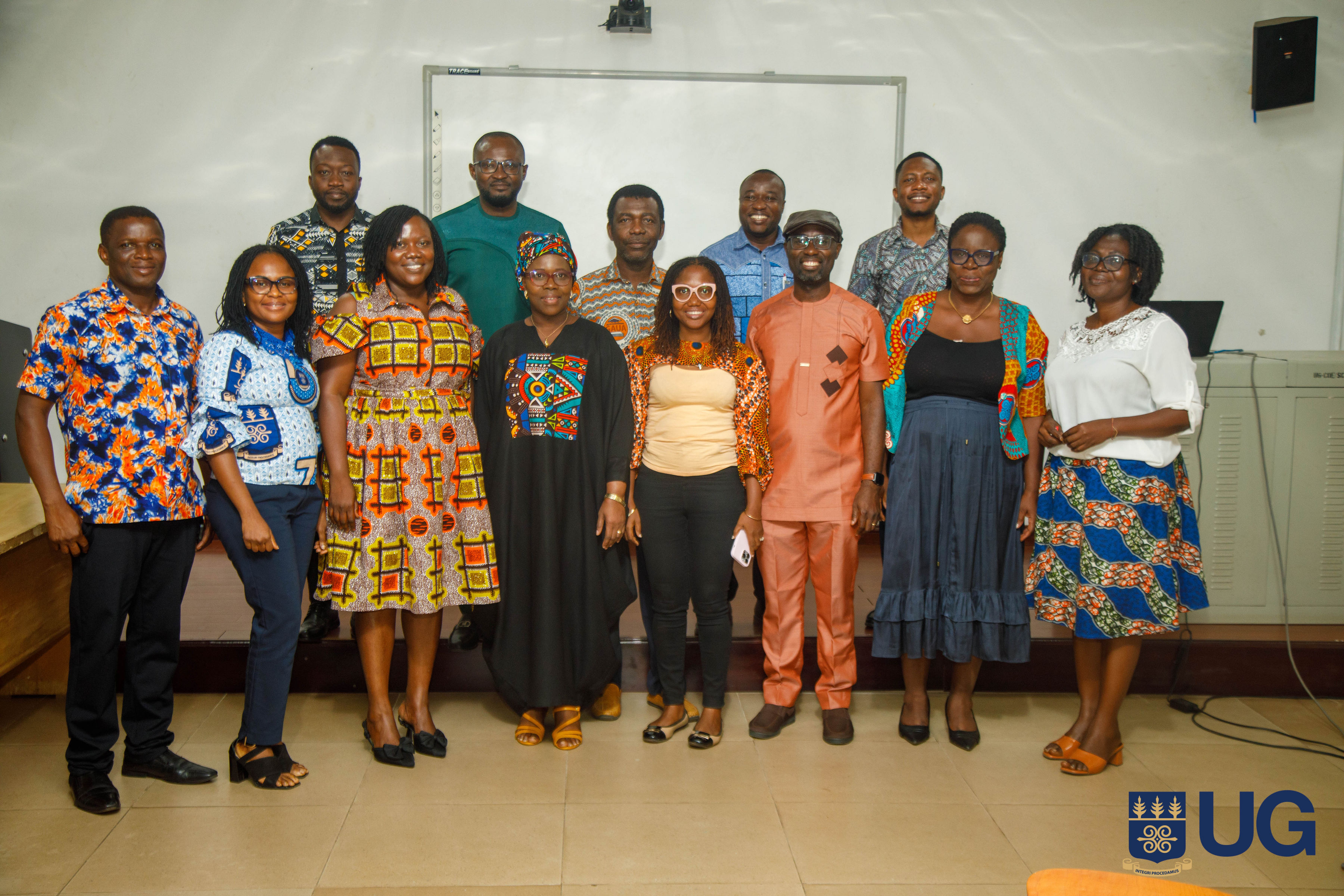
The workshop reflects the College of Education’s continued commitment to strengthening research capacity and improving success in grant acquisition among faculty. Through initiatives of this nature, the College seeks to equip its staff with the skills, knowledge and collaborative networks required to excel in an increasingly competitive and interdisciplinary research environment.