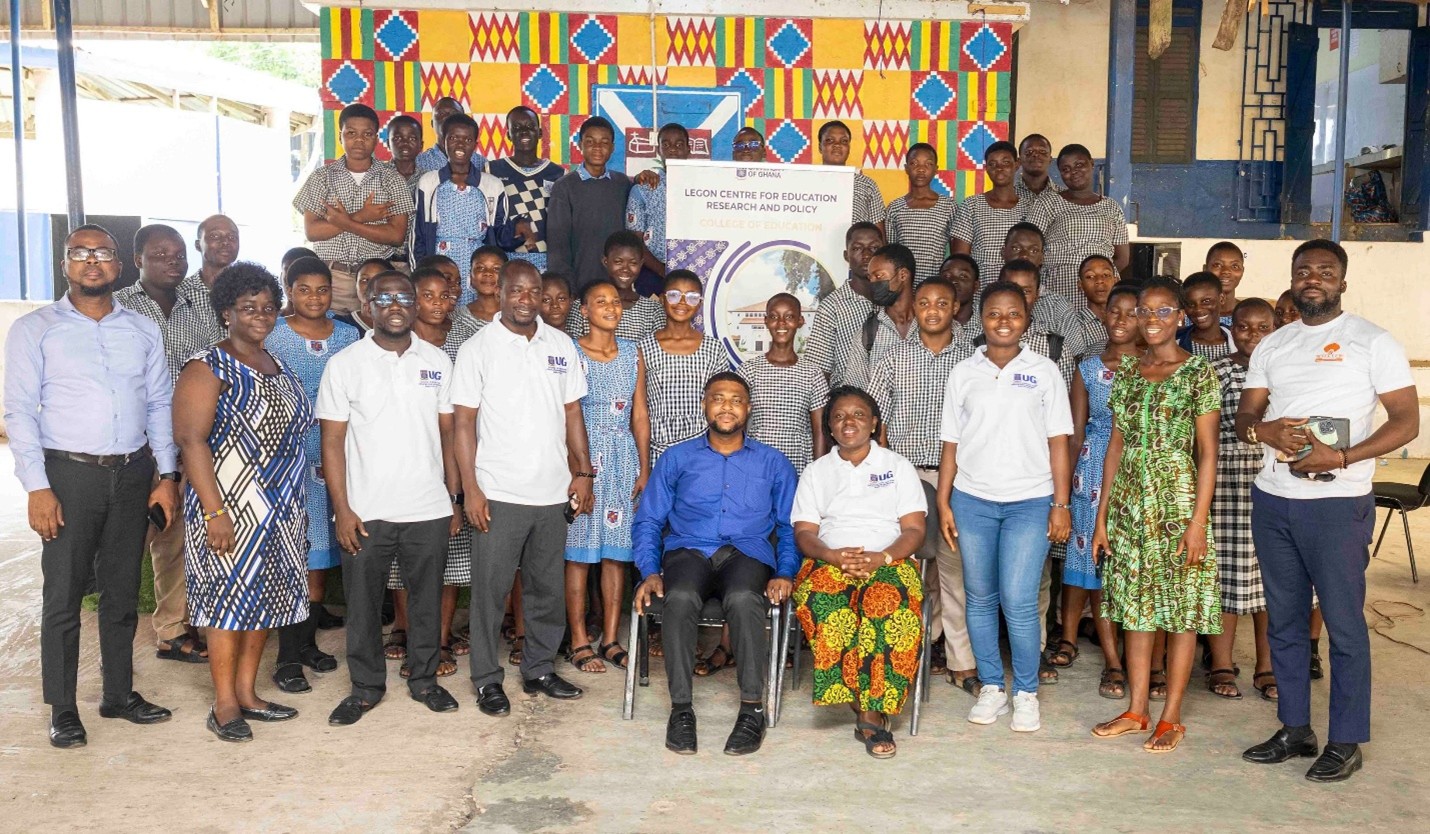
A group photograph of the Team from LECERP and the TUCEE Institute together with officials and students of PRESEC, Mampong
The Legon Centre for Education Research and Policy (LECERP), University of Ghana, in partnership with the TUCEE Institute of Counselling and Technology, has delivered an impactful anti-bullying sensitisation programme at Presbyterian Senior High School, Mampong-Akuapem, to commemorate the International Day Against Violence and Bullying, including Cyberbullying.
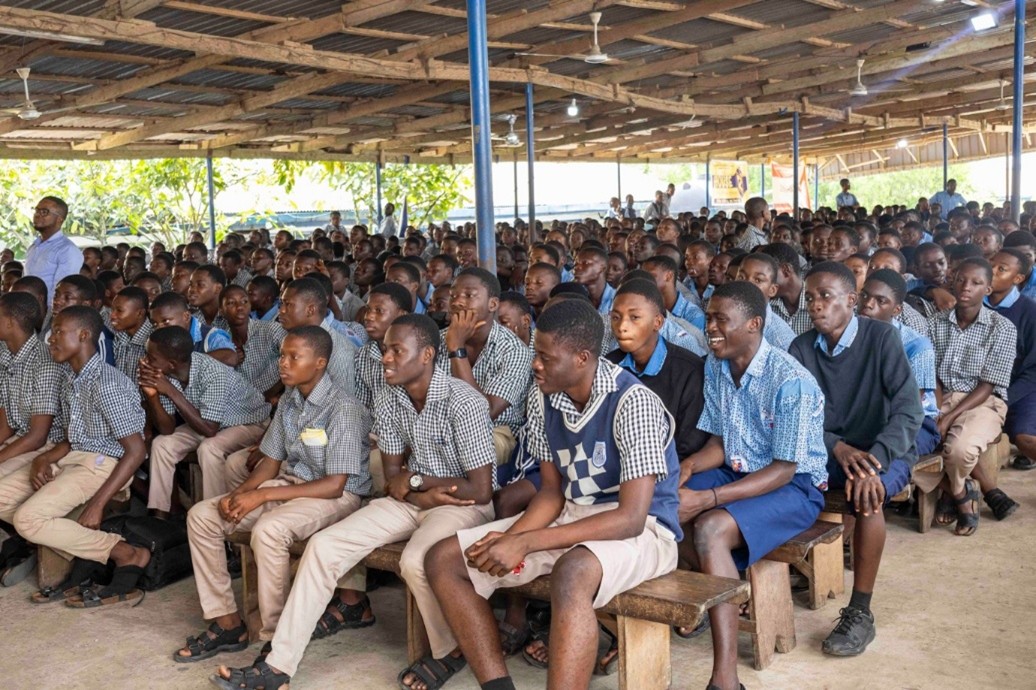
Held on 6th November, 2025 under the theme “The Scars You Don’t See: The Lasting Impact of Violence and Bullying,” the engagement brought together students, educators, and facilitators to raise awareness of the long-term emotional, psychological, and educational effects of bullying. The event sought to promote a culture of empathy, respect, and inclusion while empowering students to speak up and take action against all forms of violence in school settings.

Ms. Sophia Nanjo, School Counsellor
In her welcome remarks, School Counsellor Ms. Sophia Nanjo expressed her delight at hosting researchers from the University of Ghana. She emphasised the importance of creating safe, supportive learning spaces where students feel valued and protected, and encouraged learners to speak up against bullying and support one another.
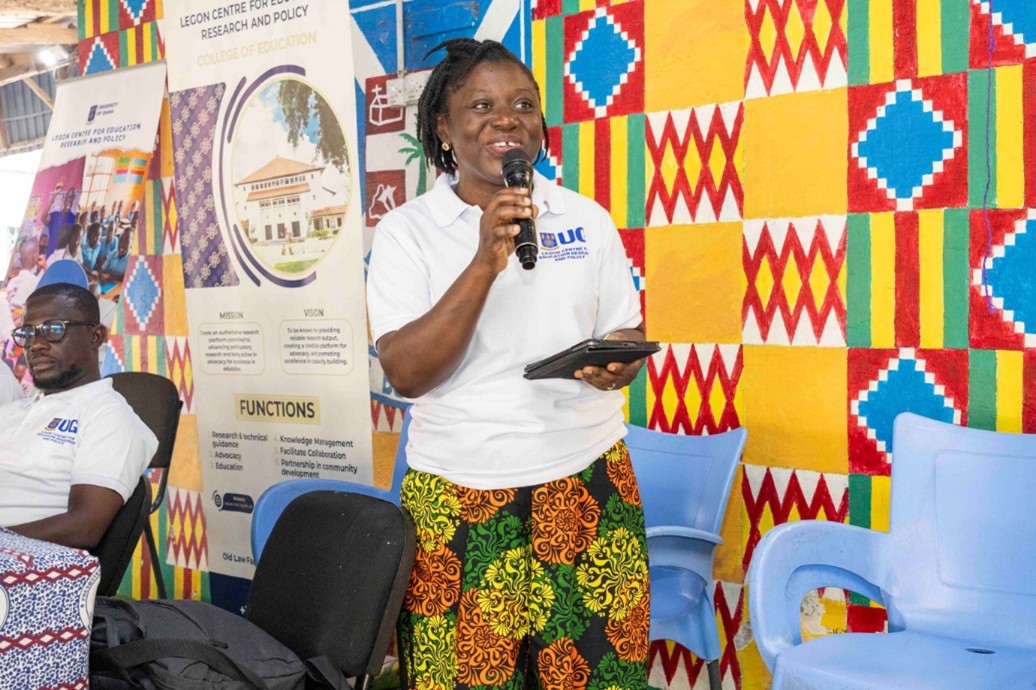
Dr. Freda Osei Sefa, delivering the message from the Director of LECERP
Delivering a message on behalf of the Director of LECERP, Dr. Clement Adamba, Dr. Freda Osei Sefa expressed appreciation to the school for facilitating the programme. Dr. Adamba highlighted the significance of the theme, noting that it draws attention to the invisible emotional scars victims carry throughout their lives.
He revealed that globally, an estimated one billion children aged 2 to 17 experience some form of violence each year, whether physical, psychological, or sexual. Such experiences, he noted, affect students’ confidence, focus, and overall well-being, and can undermine effective learning.
Dr. Adamba added that teachers are not exempt, as many endure verbal or physical abuse, resulting in stress and burnout. He underscored the need to cultivate safe spaces in homes, schools, and communities and encouraged responsible online behaviour, reminding students that cyberbullying can be just as harmful.
He further highlighted the Centre’s role in transforming research into practical policies, aligning with the University of Ghana’s strategic priorities on Impactful Research and Engagement and Partnerships.
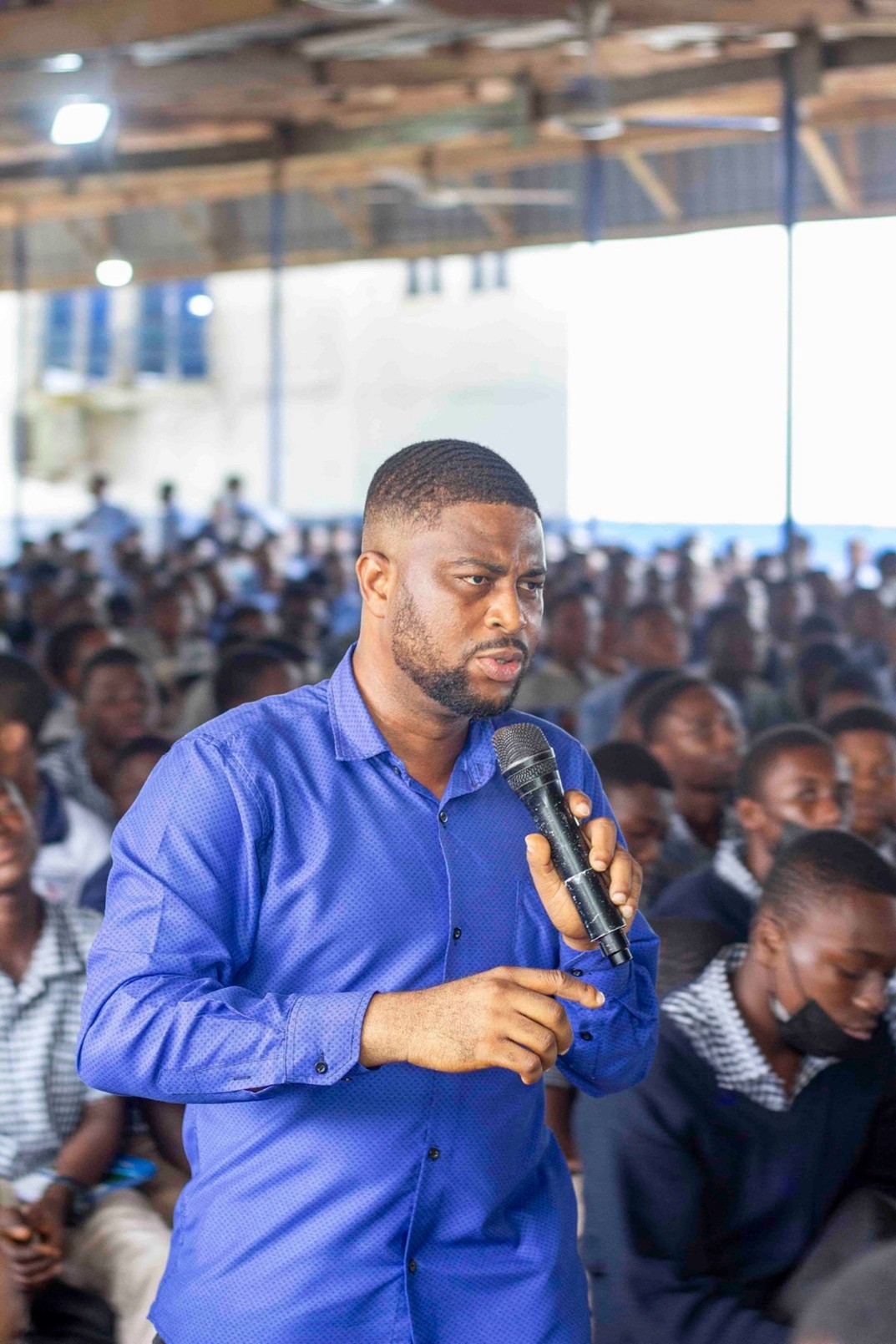
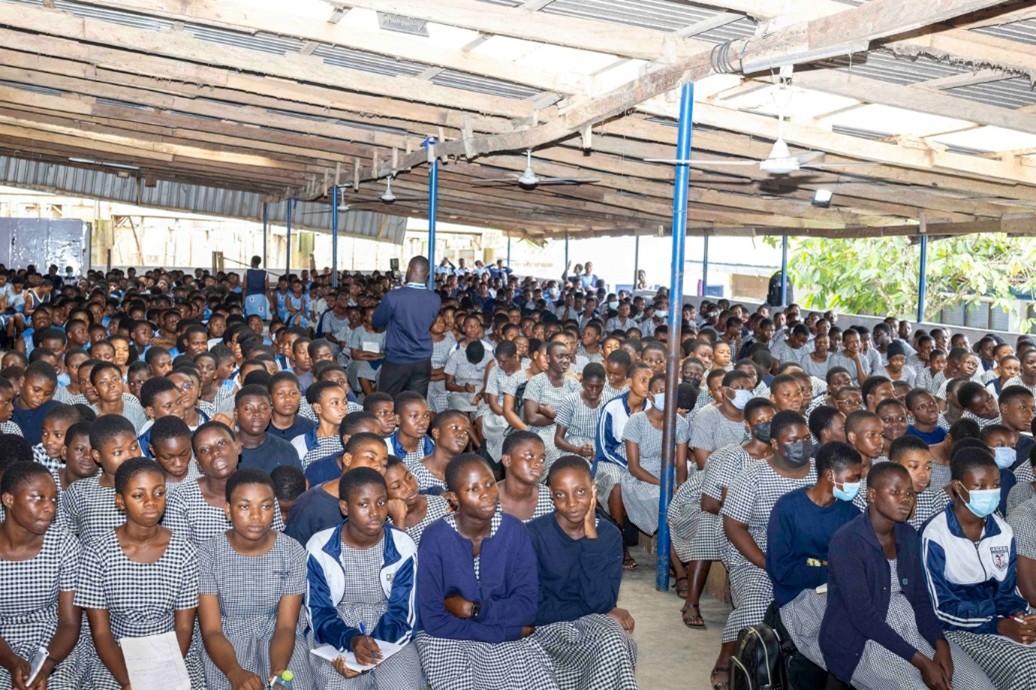
Mr. Wisdom Kudjordji of the TUCEE Institute engaging students during his presentation
Speaking on behalf of the TUCEE Institute, Mr. Wisdom Kudjordji delivered an engaging and interactive presentation on the different forms of bullying—physical, verbal, social, and cyber. He illustrated the lifelong emotional consequences victims often endure and outlined practical strategies for preventing and reporting bullying.
Mr. Kudjordji urged students to seek guidance from counsellors, practise empathy and act as upstanders who advocate for their peers’ safety and well-being.
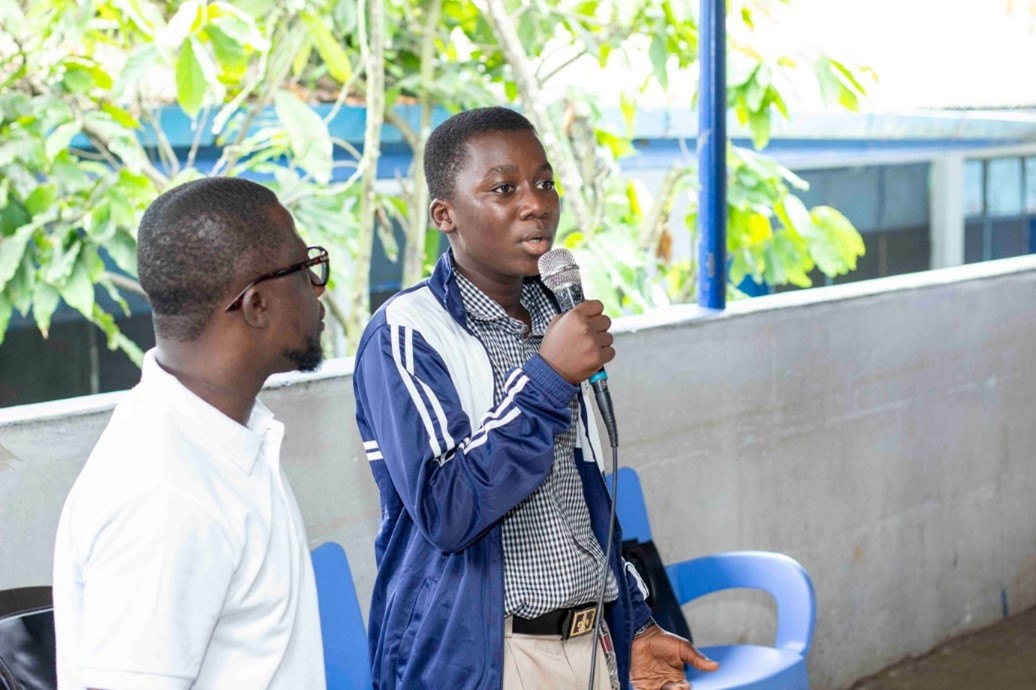
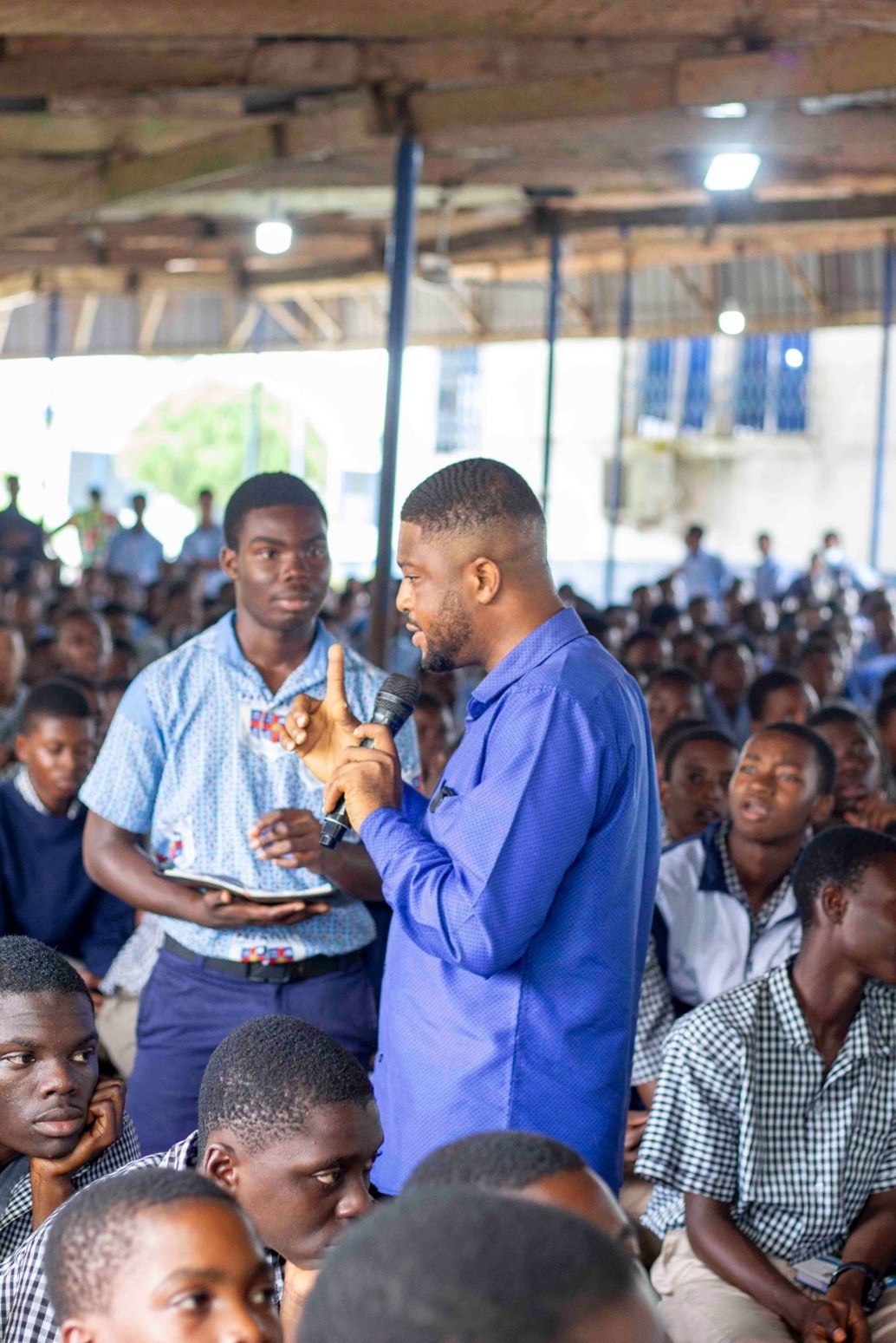
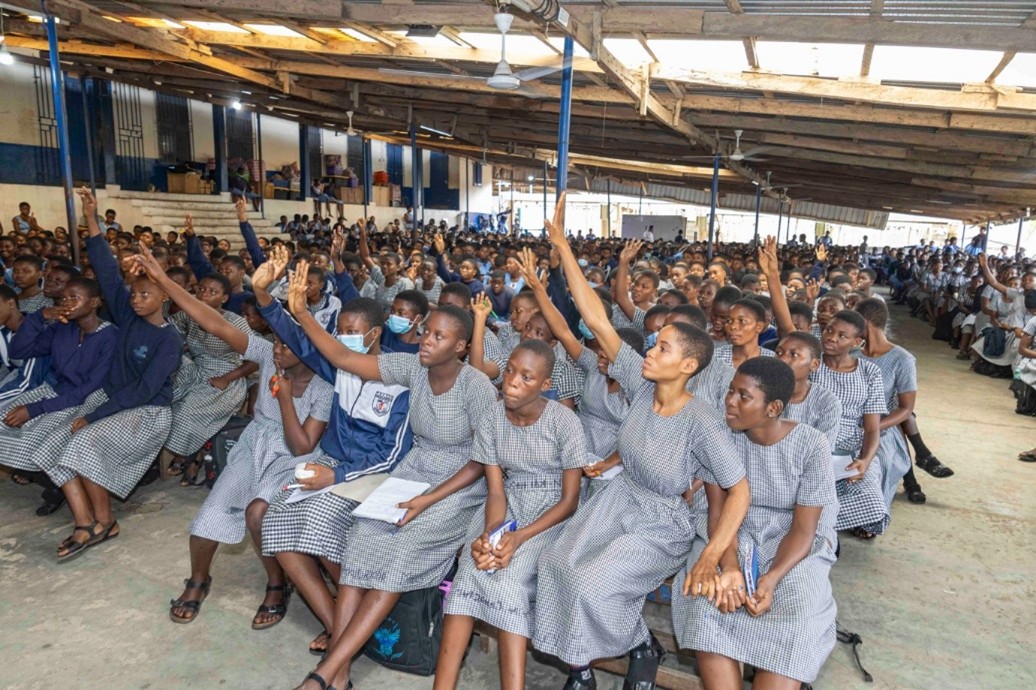
A lively question-and-answer session followed, with students sharing personal experiences, asking questions, and seeking guidance. Their engagement reflected a heightened awareness of the importance of promoting kindness, empathy, and respect in their school community.
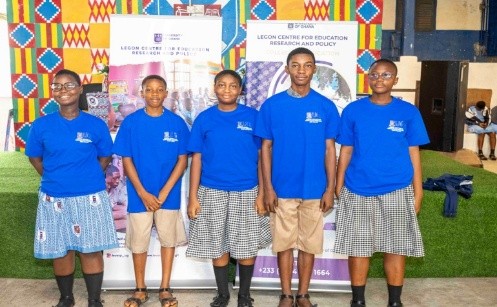
As part of the event, LECERP presented the Directors’ Challenge Award to five students who demonstrated outstanding attentiveness and engagement. Each awardee received a branded T-shirt as a symbol of their commitment to anti-bullying advocacy.
A brief evaluation conducted at the end of the programme revealed that the sensitisation session made a strong and lasting impression on participants.
Students reported gaining new insights into the emotional, physical, and psychological effects of bullying. Many admitted they had previously viewed certain behaviours as normal, but now recognised them as harmful.
Comments included:
- “I got to know bullying affects you emotionally.”
- “I learnt that there are different forms of bullying that can lead to mental health issues.”
- “I was made to understand that bullying destroys people’s careers.”
Some students who had previously engaged in bullying pledged to change, stating:
- “I have learnt not to bully someone again.”
- “Don’t bully anyone, no matter what.”
Others expressed newfound confidence in reporting bullying:
- “I have learnt to be bold and confident to report any form of bullying.”
- “Even as a bystander, when you see someone bullying another, say it and stop it.”
Students also noted that the programme opened their eyes to behaviours—such as caning juniors or seizing their belongings—that they previously viewed as normal but now understand as bullying.
The anti-bullying sensitisation programme at Presbyterian Senior High School, Mampong-Akuapem, successfully deepened awareness and inspired a renewed commitment to fostering safe and inclusive learning environments. Through interactive presentations, open discussions, and the LECERP Directors’ Challenge Award, the initiative equipped learners with the knowledge, confidence, and motivation needed to challenge bullying and promote empathy and respect.
By empowering students and strengthening school-wide understanding, LECERP and its partners continue to champion safe, supportive, and holistic educational experiences across Ghana.