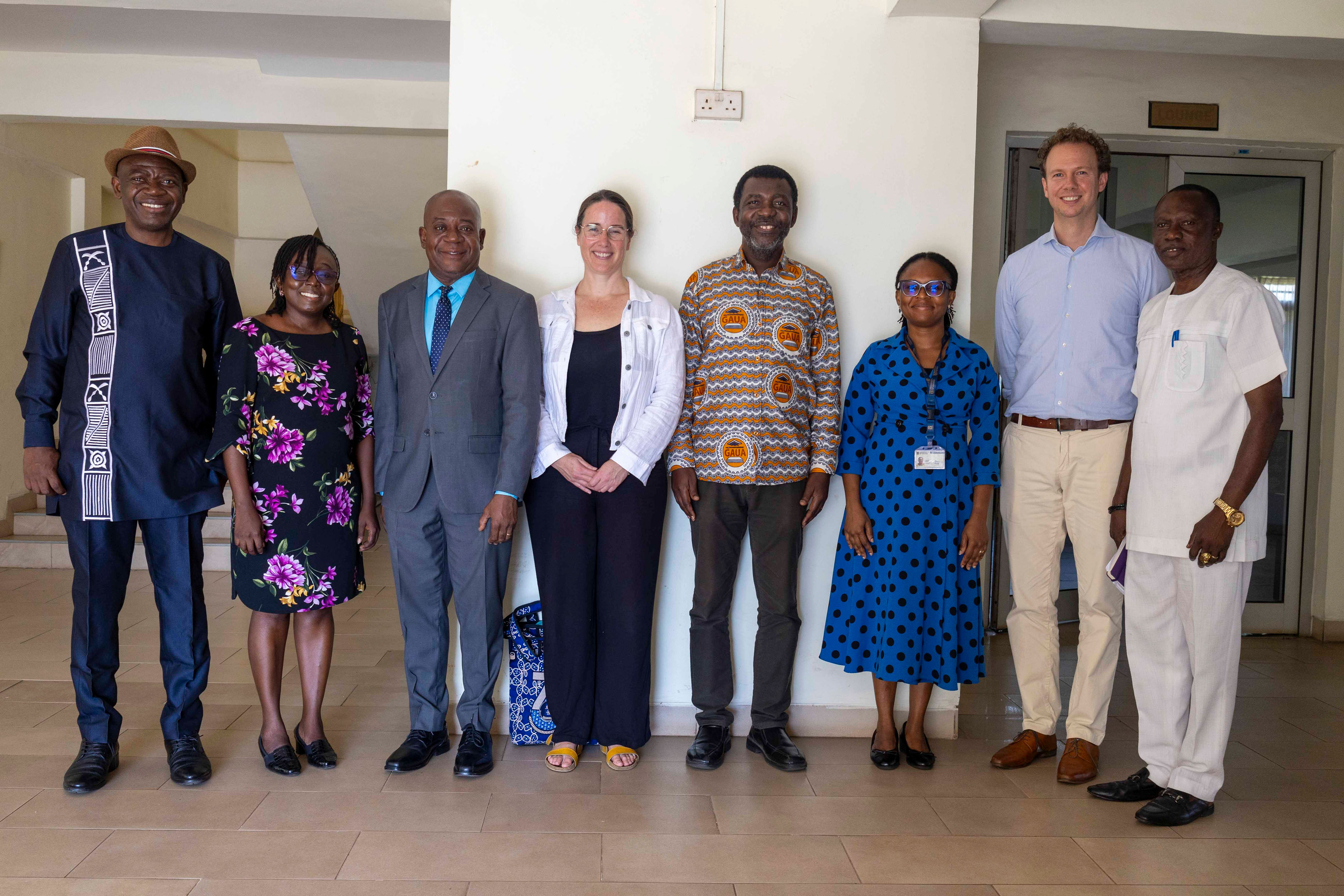
The Department of Teacher Education, School of Education and Leadership, University of Ghana, has hosted a delegation from Leiden University’s Learning Mindset Team from Monday, 24th November to Friday, 28th November 2025. The visit forms part of ongoing efforts to strengthen academic collaboration, broaden staff and student engagement, and advance innovative teaching and research practices between the two institutions.
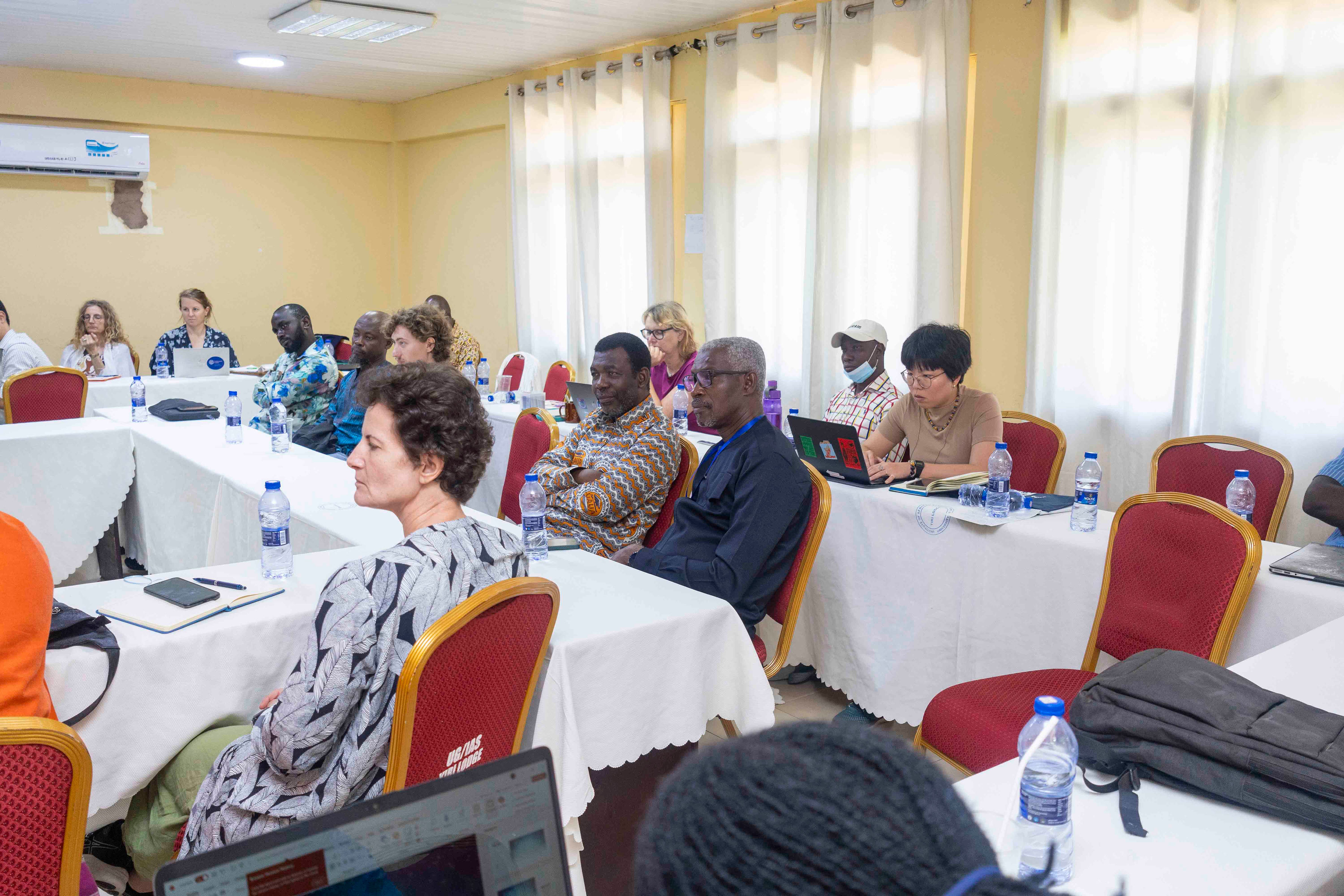
The opening ceremony brought together faculty from the School of Education and Leadership and the Leiden delegation. Discussions centred on the Learning Mindset (LM) initiative, with a focus on the current partnership and the deployment of innovative approaches to enrich teaching and learning.
Welcoming the delegation, Professor Samuel Aniegye Ntewusu, Director of the Institute of African Studies, expressed his pleasure at receiving the team and highlighted the transformative impact of sustained academic partnerships. “The longstanding relationship between the University of Ghana and Leiden University continues to grow, grounded in a shared commitment to excellence and innovation,” he noted.
Speaking on behalf of the Leiden team, Dr. Maaike Westra outlined the objectives of the visit. She explained that the delegation sought to reconnect with colleagues at the University of Ghana, consolidate ongoing collaborations and explore new opportunities in areas including student and staff mobility, linguistics research, public health education and peace and security studies within the Sahel–Sahara region. “We see this as an opportunity to learn from one another and co-create projects that make a meaningful impact,” she remarked.
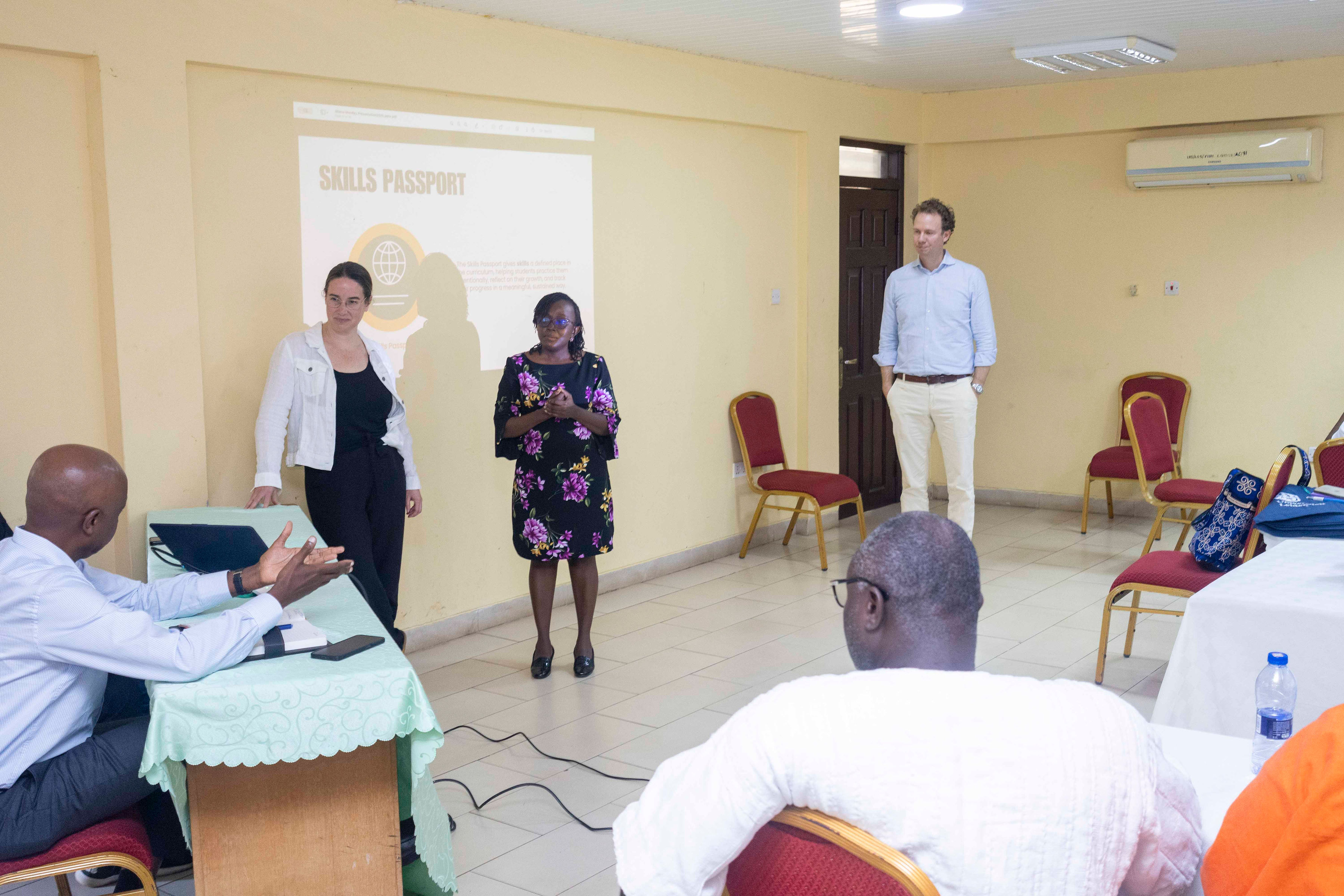
From left to right: Dr. Caroline Archambault, Dr. Abigail Ayiglo-Kuwornu and Dr. David Ehrhardt, delivering their presentation
A major highlight of the visit was a series of presentations delivered by Dr. Abigail Ayiglo-Kuwornu, Senior Lecturer in the Department of Teacher Education at the University of Ghana, alongside Dr. Caroline Archambault and Dr. David Ehrhardt from Leiden University. Their sessions explored Autonomous Learning, Game-Based Learning and Artificial Intelligence. Drawing on the EDTE 208 course, Education in Multilingual Communities, the team demonstrated how these approaches foster student self-reflection, deepen engagement with course material and strengthen students’ ownership of their learning.
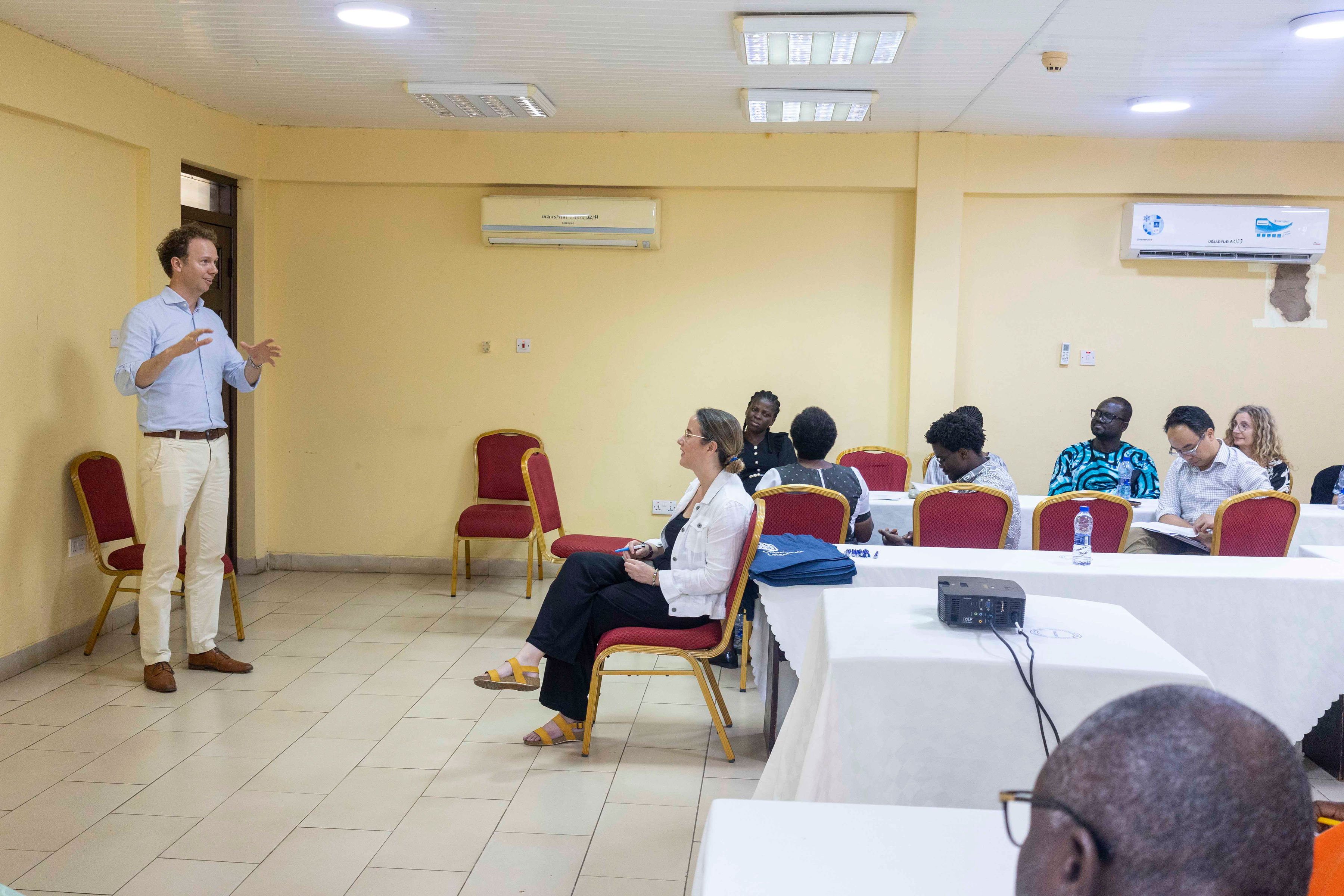
Participants were also introduced to interactive learning tools such as Game of Games, Meet Angela Ignatius and the Skills Passport, which enables students to track their skills development throughout their academic journey. The presenters further underscored the importance of supporting students to use AI tools ethically and responsibly.
The sessions concluded with a vibrant question-and-answer segment, during which participants shared experiences and discussed strategies for scaling these innovations across the College.
As part of the programme, the visiting team organised a student workshop and a small-grants workshop for faculty. The Learning Mindset Small Grants Initiative will support teacher–researchers from Ghana, Kenya, Nigeria and the Netherlands to design and test innovative learning tools. Complementing this, the Learning Mindset Academy seeks to equip students with the skills needed to organise workshops and train their peers in autonomous learning techniques.
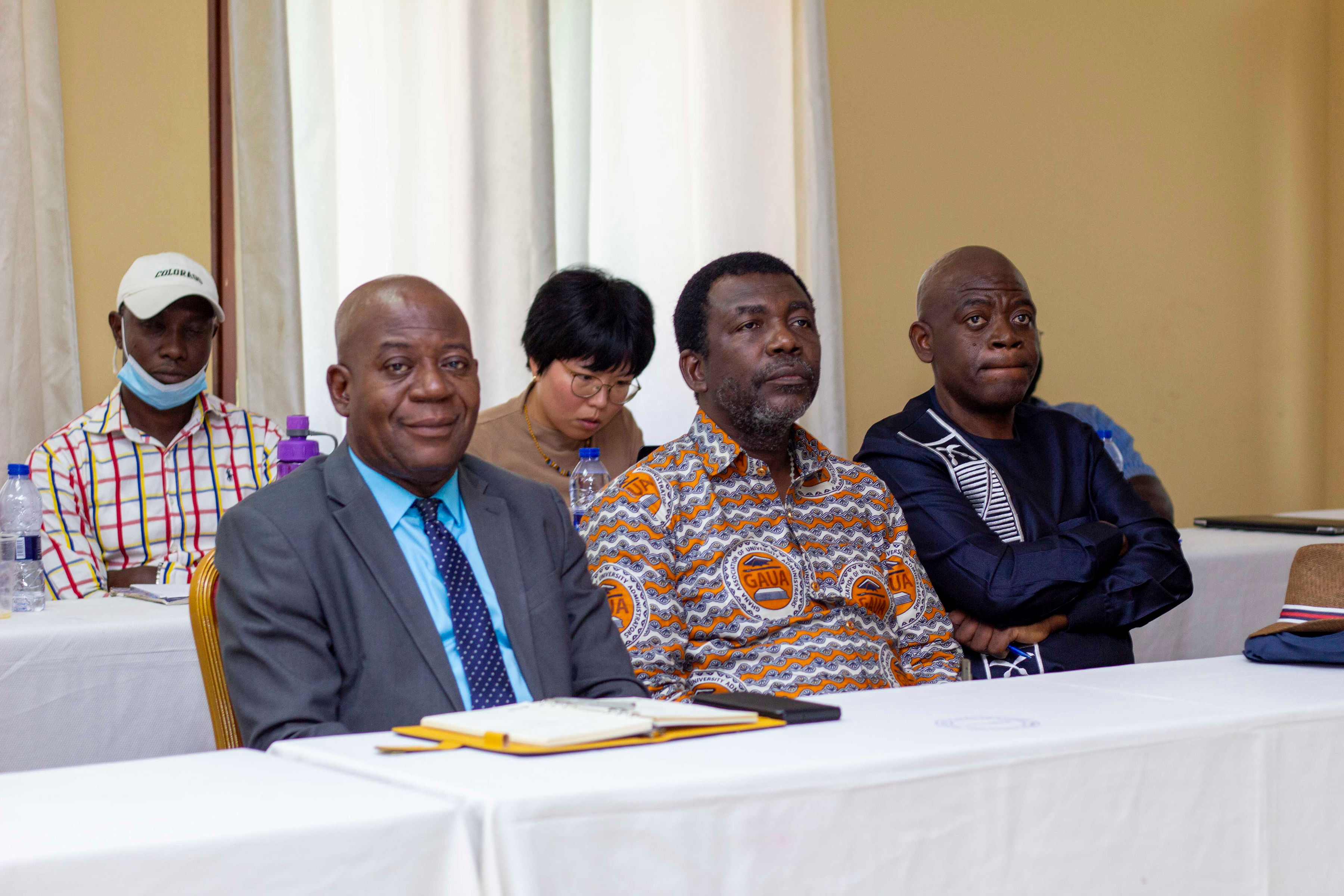
Professor Samuel Nii Ardey Codjoe, Provost of the College of Education, University of Ghana, pictured first from the left
Commending the initiative, Professor Samuel Nii Ardey Codjoe, Provost of the College of Education, applauded Dr. Ayiglo-Kuwornu and the Leiden team for the initiative. He encouraged both institutions to build on the momentum and consider expanding the programme to other Colleges of Education. He further linked the initiative to the University of Ghana Strategic Plan (2024–2029), particularly its focus on Transformative Student Experience, Commitment to Faculty and Staff and Impactful Research.