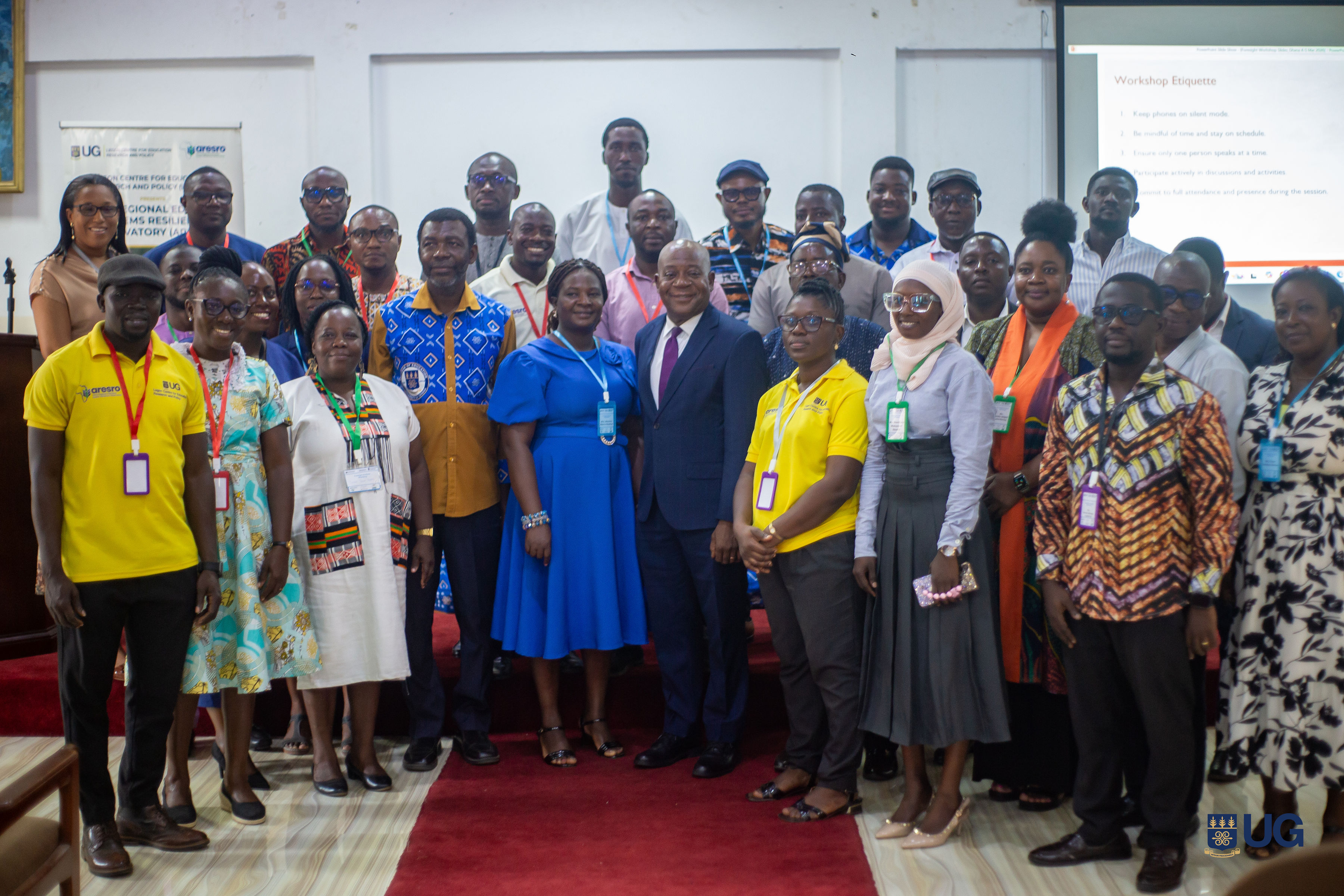
The Legon Centre for Education Research and Policy (LECERP) has convened a landmark Foresight Analysis Workshop aimed at strengthening the long-term resilience of Ghana’s education system. The two-day event, held from 4th–5th March, 2026 at the Institute of African Studies Conference Room, University of Ghana, formed part of the Africa Regional Education Systems Resilience Observatory (ARESRO) project.
Funded by the International Development Research Centre (IDRC), ARESRO seeks to enhance education system resilience across 42 Global Partnership for Education (GPE) countries in Africa. Coordinated by the Resilient Africa Network at Makerere University, Uganda, LECERP serves as the hub for Anglophone West Africa, covering Gambia, Ghana, Liberia, Nigeria and Sierra Leone.
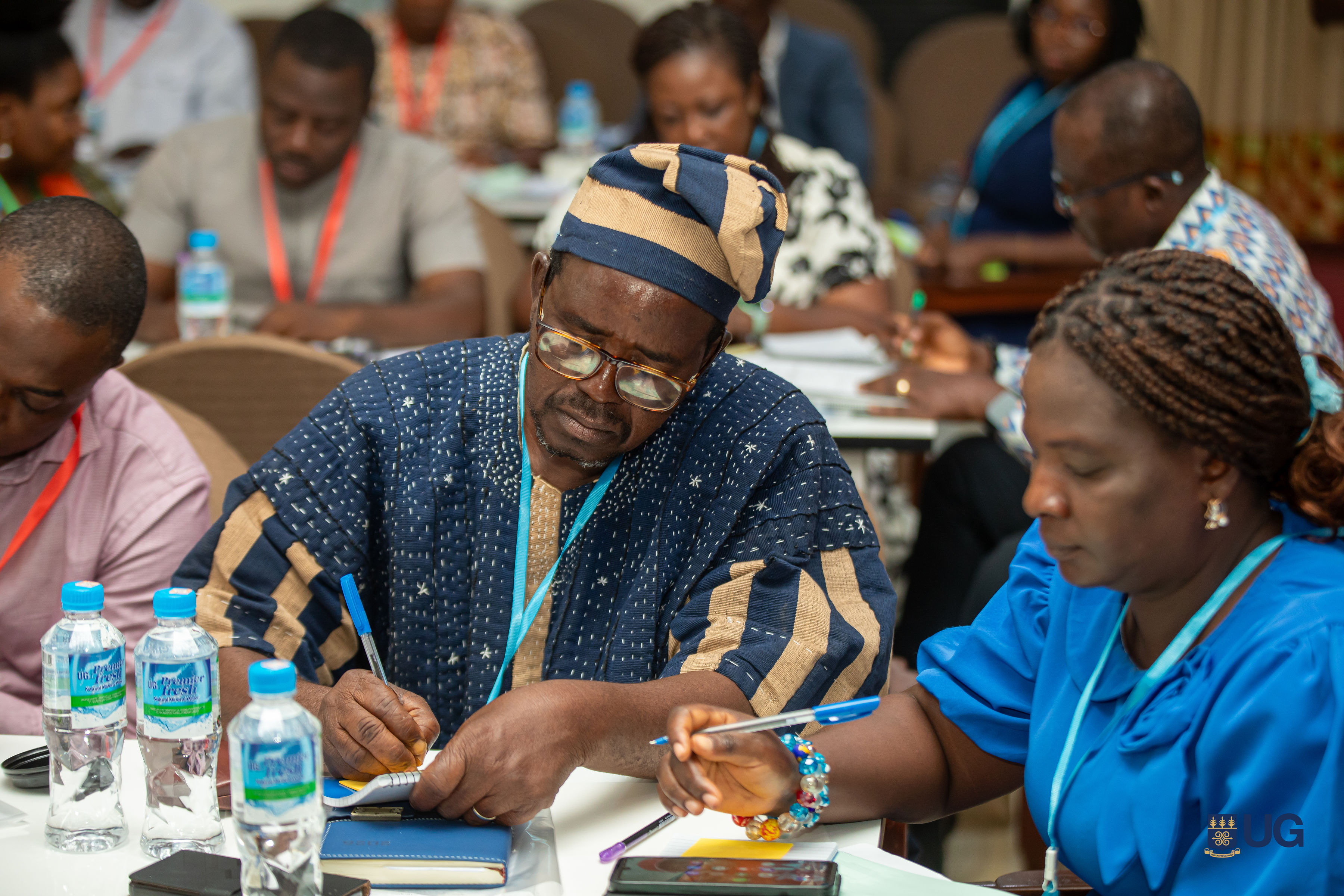
The workshop brought together over 30 stakeholders, including representatives from the Ministry of Education, Ghana Education Service, academia, civil society, private schools, development partners, teacher associations, teachers and student leaders. Participants engaged in structured foresight exercises to identify risks, envision desirable futures for education and co-design strategies for systemic transformation.
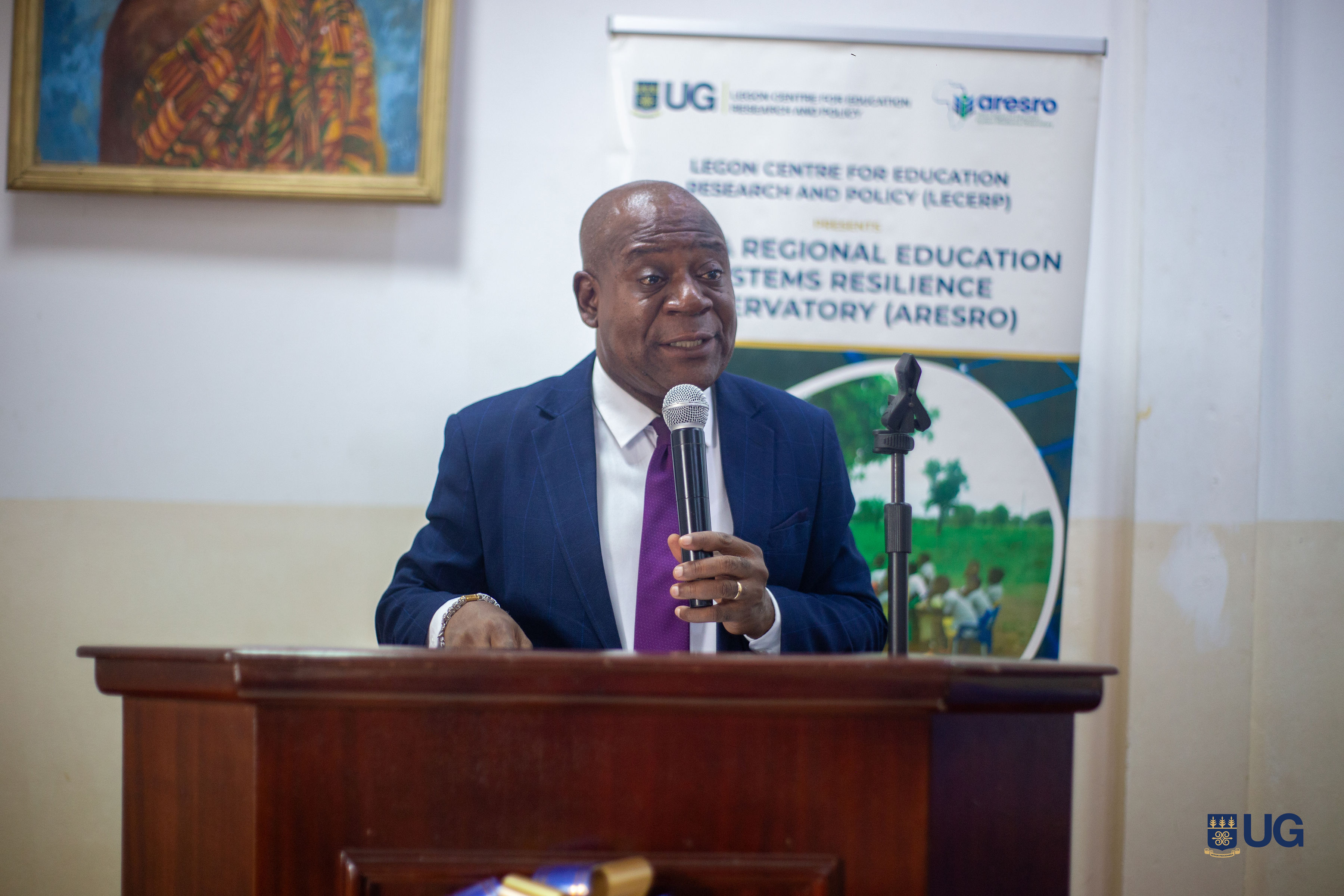
Professor Samuel Nii Ardey Codjoe, Provost of the College of Education
Opening the workshop, Professor Samuel Nii Ardey Codjoe, Provost of the College of Education, underscored the need for education systems that can anticipate, absorb, adapt and transform in the face of adversity. “Resilience now requires proactive foresight, integrating preventive and transformative measures to minimise future shocks,” he said.
Professor Codjoe highlighted LECERP’s achievements since its establishment, including policy papers on Ghana’s Free SHS programme, school violence and WASSCE performance, as well as work on a comprehensive State of Education in Ghana report. He cited the College’s Digital Youth Village, which will focus on digital technologies across sectors, as further evidence of its forward-looking commitment. He urged participants to translate the workshop outcomes into practical tools for contingency planning, data-informed decision-making, protection of vulnerable learners and reduction of learning poverty.
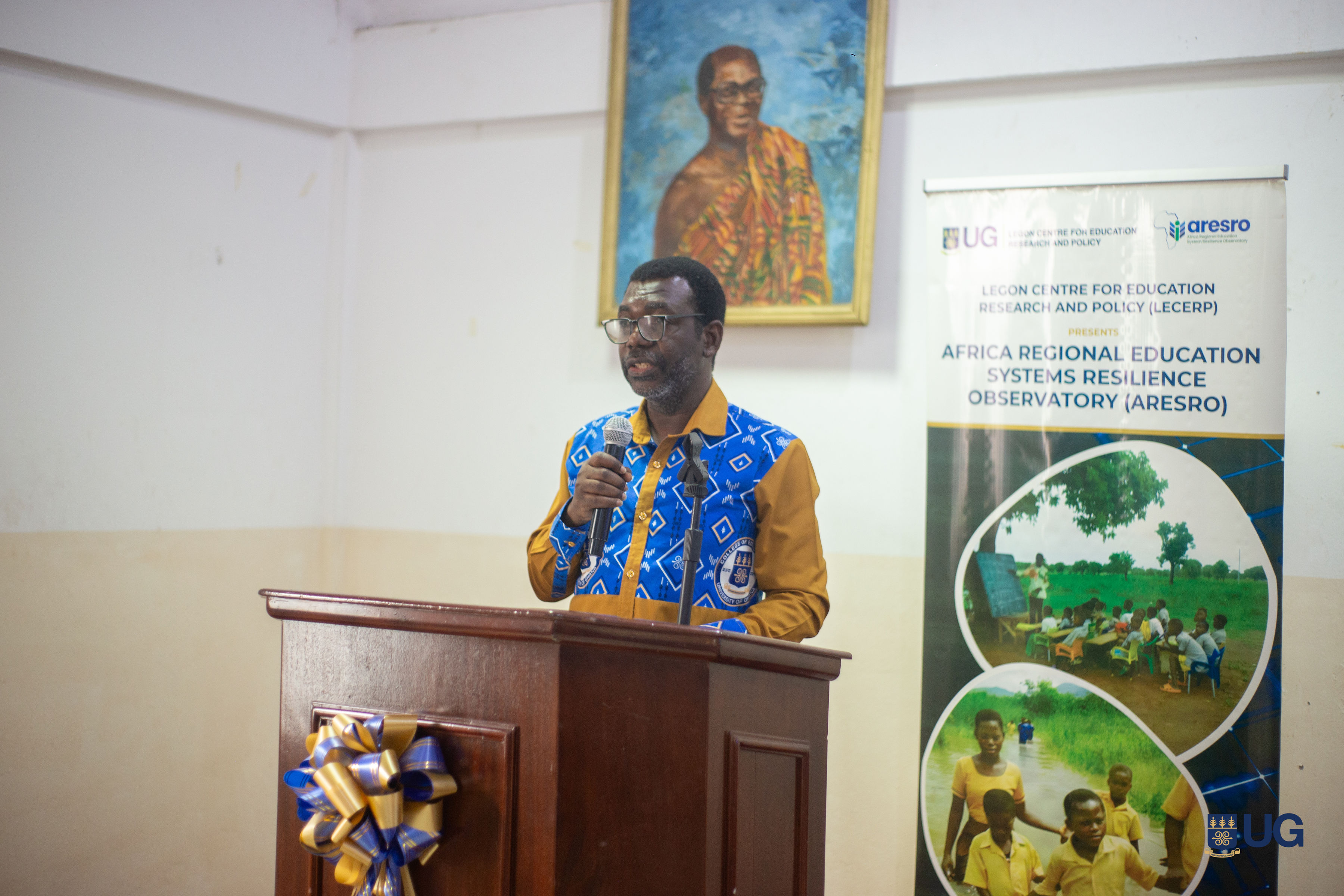
Mr. Joseph Oduro Nkansah, Registrar of the College of Education
Supporting this message, Mr. Joseph Oduro Nkansah, Registrar of the College of Education, stressed that collaboration is key to building resilient education systems. He commended the broad participation and encouraged stakeholders to engage fully to strengthen an inclusive, adaptive and lifelong learning system.
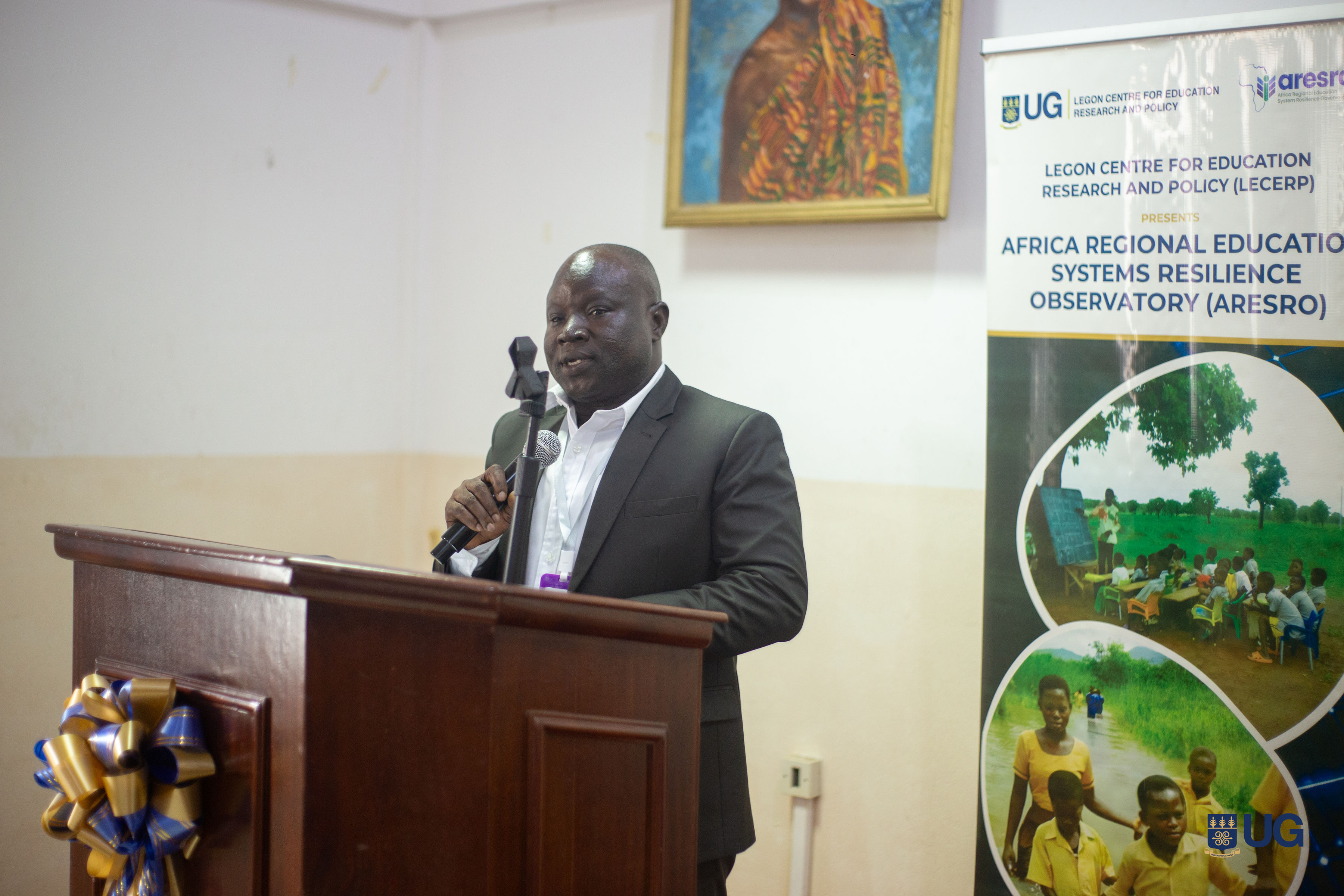
Dr. Clement Adamba, Director of LECERP
Earlier in his welcome address, Dr. Clement Adamba, Director of LECERP, provided an overview of the ARESRO project, explaining that the workshop builds on prior research, including a desk review and consultations with policymakers and stakeholders on emerging trends, risks and vulnerabilities affecting education systems over the coming decades.
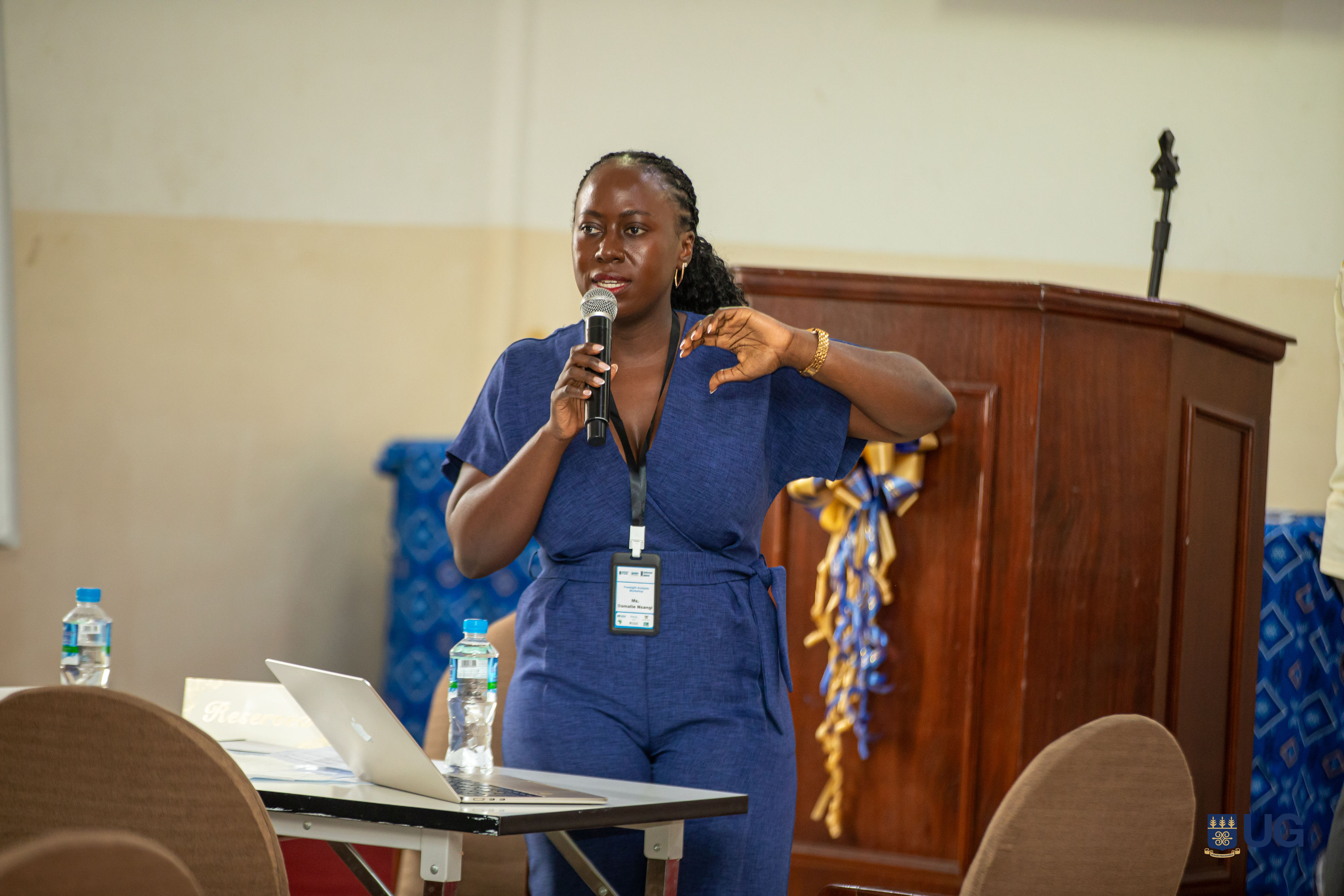
Ms. Damalie Kajumba Nsangi, Project Manager at the Resilient Africa Network
Ms. Damalie Kajumba Nsangi, Project Manager at the Resilient Africa Network, underscored the continental importance of ARESRO. She noted that research on African education system resilience remains limited, often reactive to crises such as the COVID-19 pandemic, and called for proactive efforts to document and strengthen resilience. She highlighted Africa’s youth as the continent’s greatest asset and urged policymakers to ensure education systems remain relevant to student needs and national development priorities.
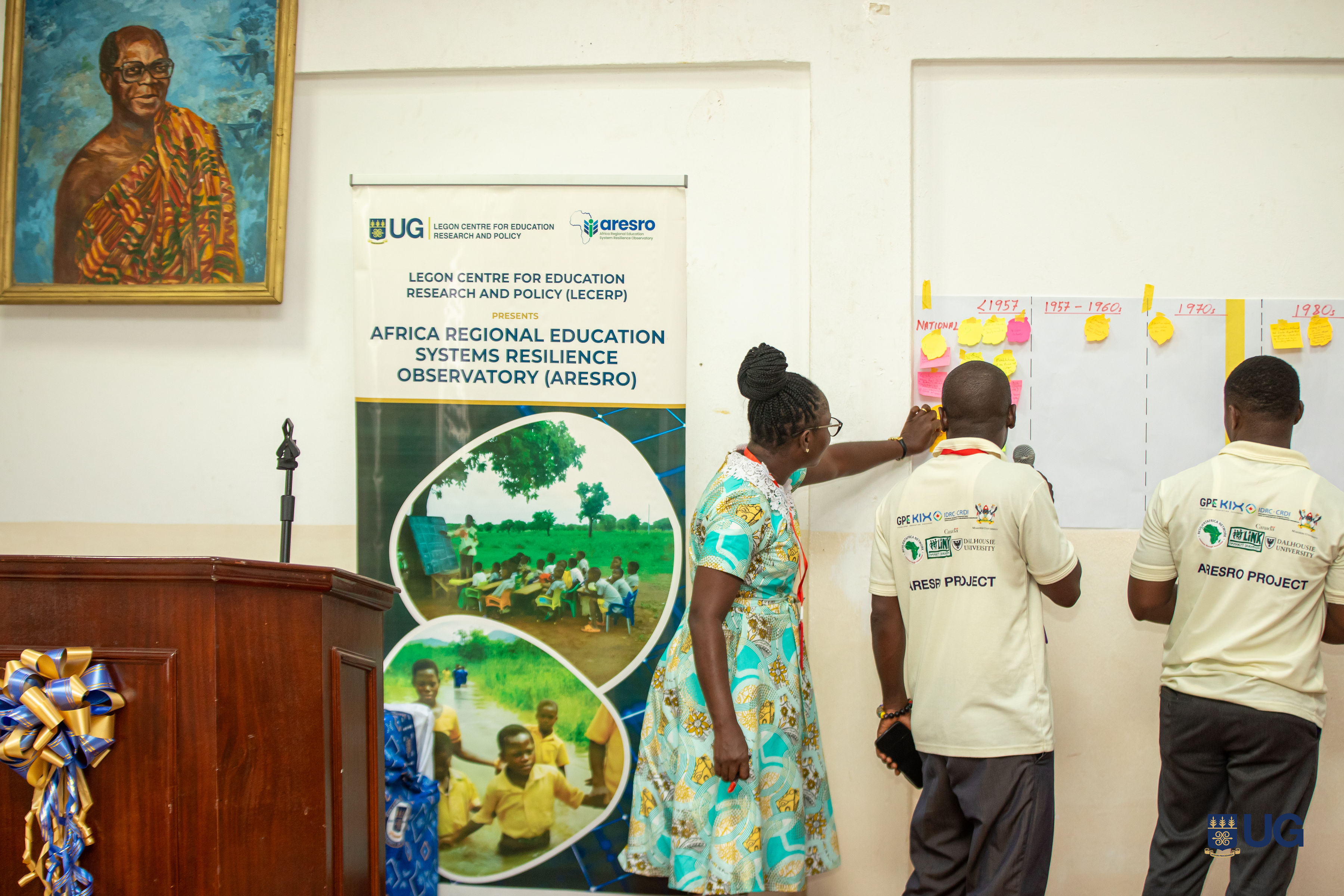
The workshop adopted a highly participatory structure, comprising seven thematic sessions that combined historical reflection, creative visioning, and structured foresight methodologies to map pathways for Ghana’s education system transformation.
Summarising the proceedings, Dr. Frank Otchere, Co-Principal Investigator of ARESRO, assured participants that discussions would inform a comprehensive workshop report. He highlighted that the project’s ultimate goal is a roadmap for an inclusive, sustainable and resilient education system, ensuring uninterrupted quality learning for all children.
In her closing remarks, Mrs. Bernice Mpere-Gyekye, Chairperson of the ARESRO Advisory Group, commended participants for their engagement and noted that policy briefs emerging from the project would inform Ghana’s long-term education planning, promoting equity, continuity of learning and workforce readiness.
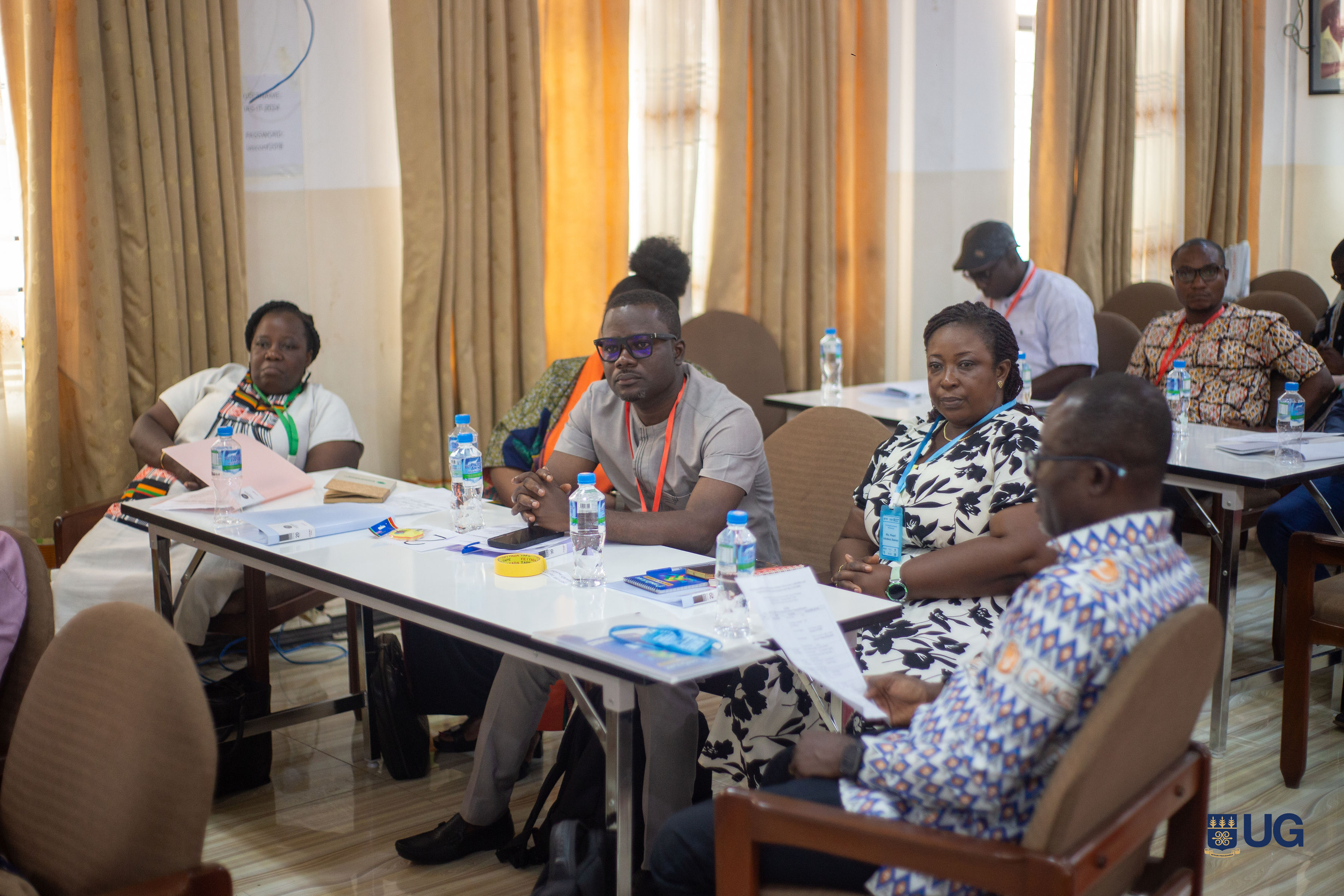
The workshop was facilitated by Dr. Joyce Anku, Co-Investigator, together with Dr. Martin Wiredu Agyekum, Dr. Freda Osei-Sefa and Dr. Innocent Agbelie, Research Fellows at LECERP.