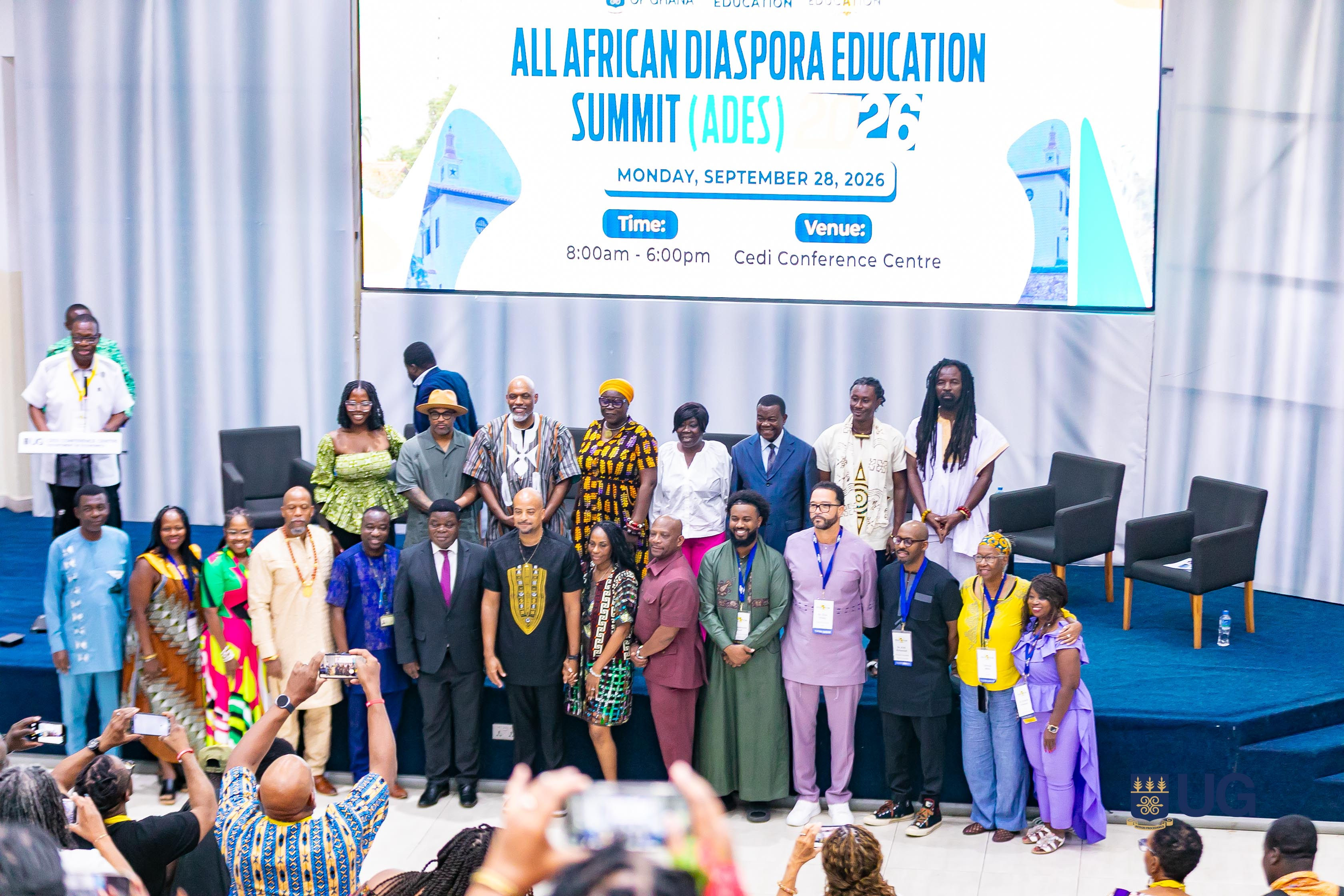
The College of Education, University of Ghana (UGCoE), in collaboration with the African American Male Education Network & Development (A²MEND) and the Bryant Educational Leadership Group, LLC (BELG), United States of America, has called for a transformation of education that places African history, culture, knowledge systems and values at its core while preparing young people to participate confidently in the global economy.
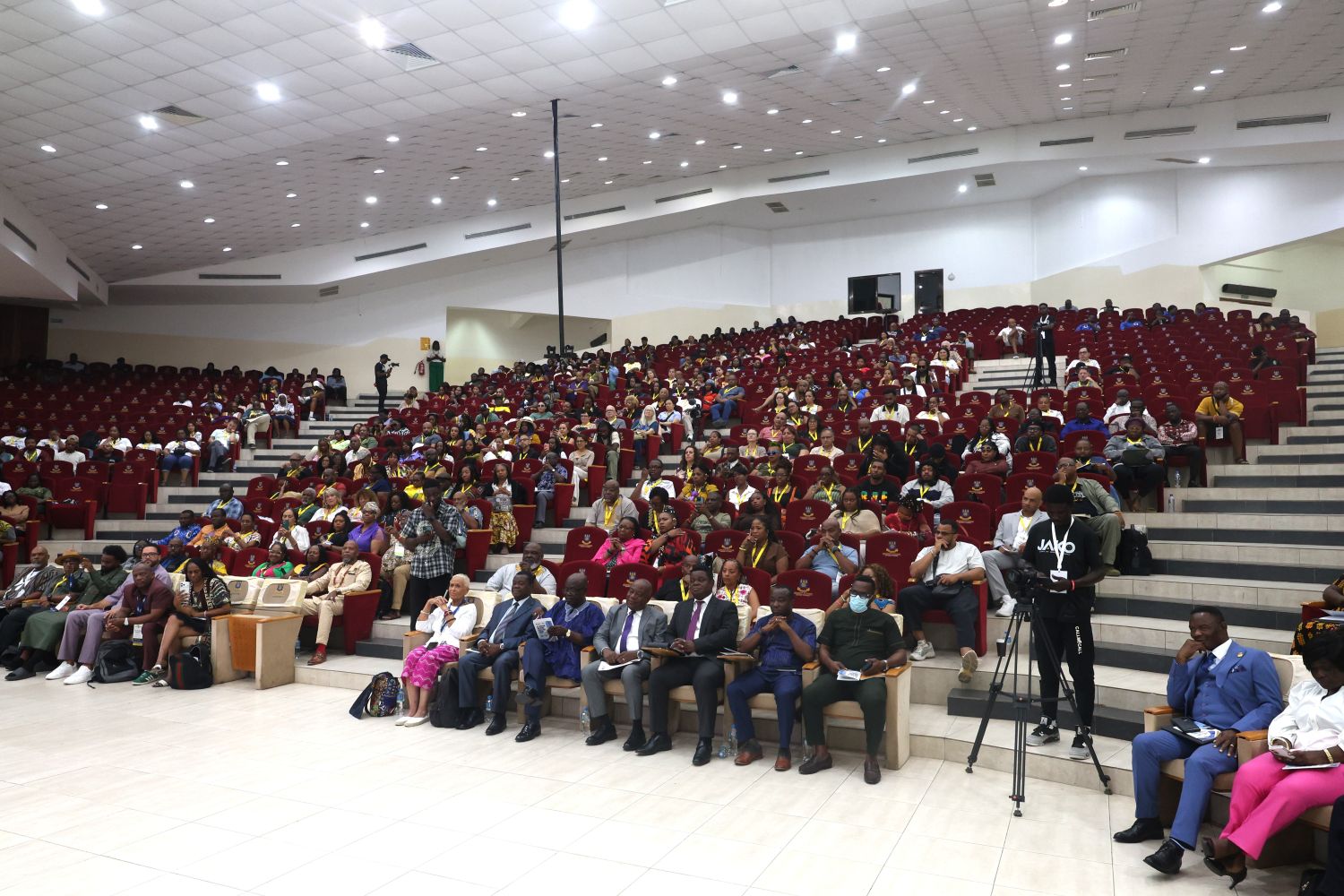
A cross-section of attendees
The call was made at the third Biennial All-African Diaspora Education Summit (ADES 2026), which brought together educators, scholars and members of the African diaspora to examine the role of education in advancing African identity, self-determination and development.
Held under the theme “From Colonisation to Sovereignty: The Future of Educating the African Diaspora, 2022–2032”, the Summit examined how education could move beyond colonial legacies to reflect African experiences, preserve cultural heritage and empower future generations to shape their own educational and social realities.
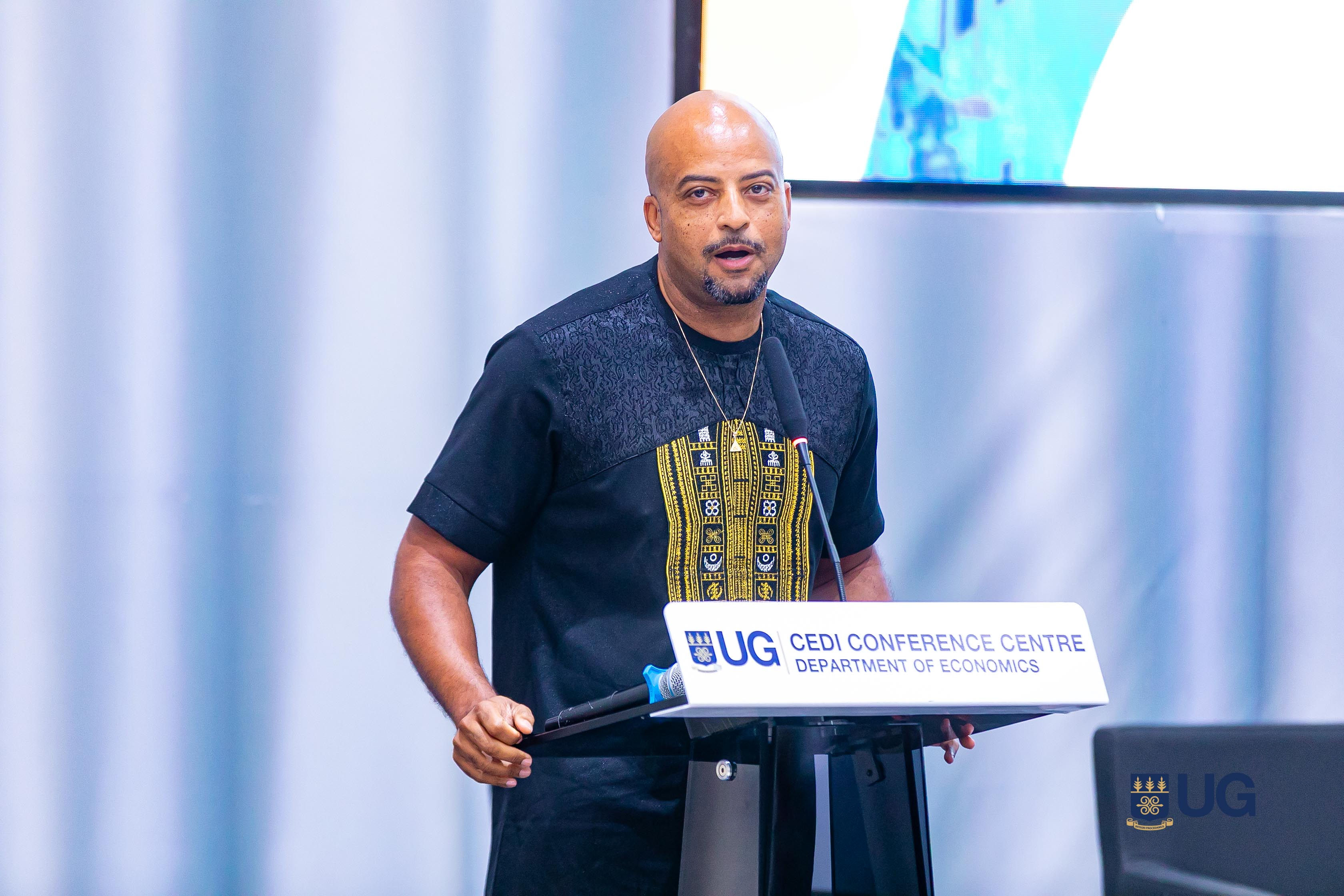
Dr. Edward Bush, President of Cosumnes River College in Sacramento, California, delivering the welcome address
In his welcome address, Dr Edward Bush, President of Cosumnes River College in Sacramento, California, welcomed participants and set the tone for the Summit, underscoring the importance of collective reflection and collaboration in reimagining education for Africans and the diaspora.
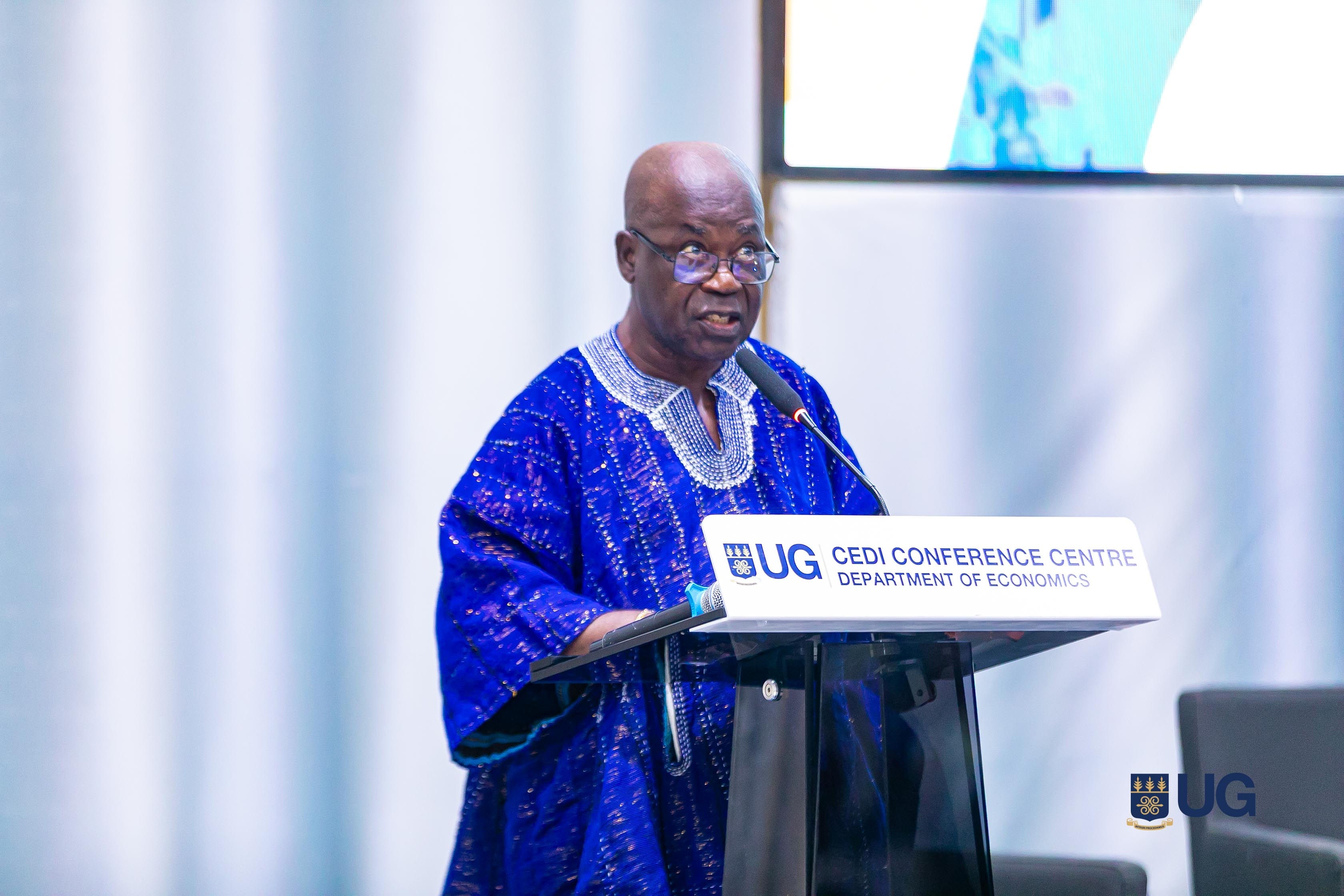
Prof. Kwaku Danso, Representative of the Chief of Staff and Cabinet Secretary of the Republic of Ghana
Delivering the keynote address, Prof. Kwaku Danso, Representative of the Chief of Staff and Cabinet Secretary of the Republic of Ghana, described the theme as a call for Africans and people of African descent to reclaim their capacity to define their own future. He advocated educational systems that centre African history, promote culturally responsive classrooms and enable Africans to exercise greater control over their resources and institutions.
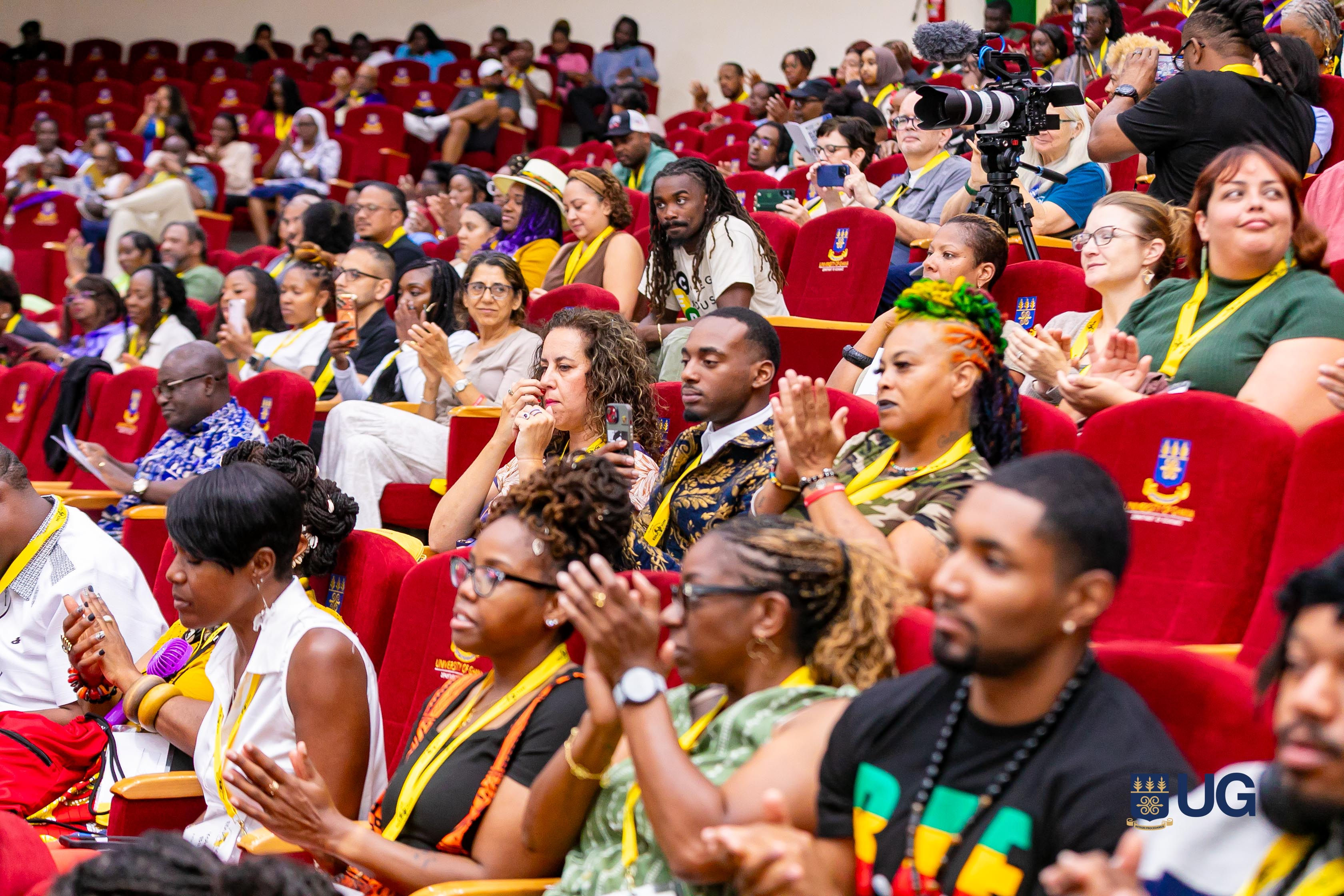
A cross-section of attendees
“From colonisation to sovereignty, our purpose is to be able to imagine and to dream and to capture our thought of what freedom looks like,” he said, urging participants to look beyond the limitations imposed by racism, inequality and colonial structures in their pursuit of genuine freedom.
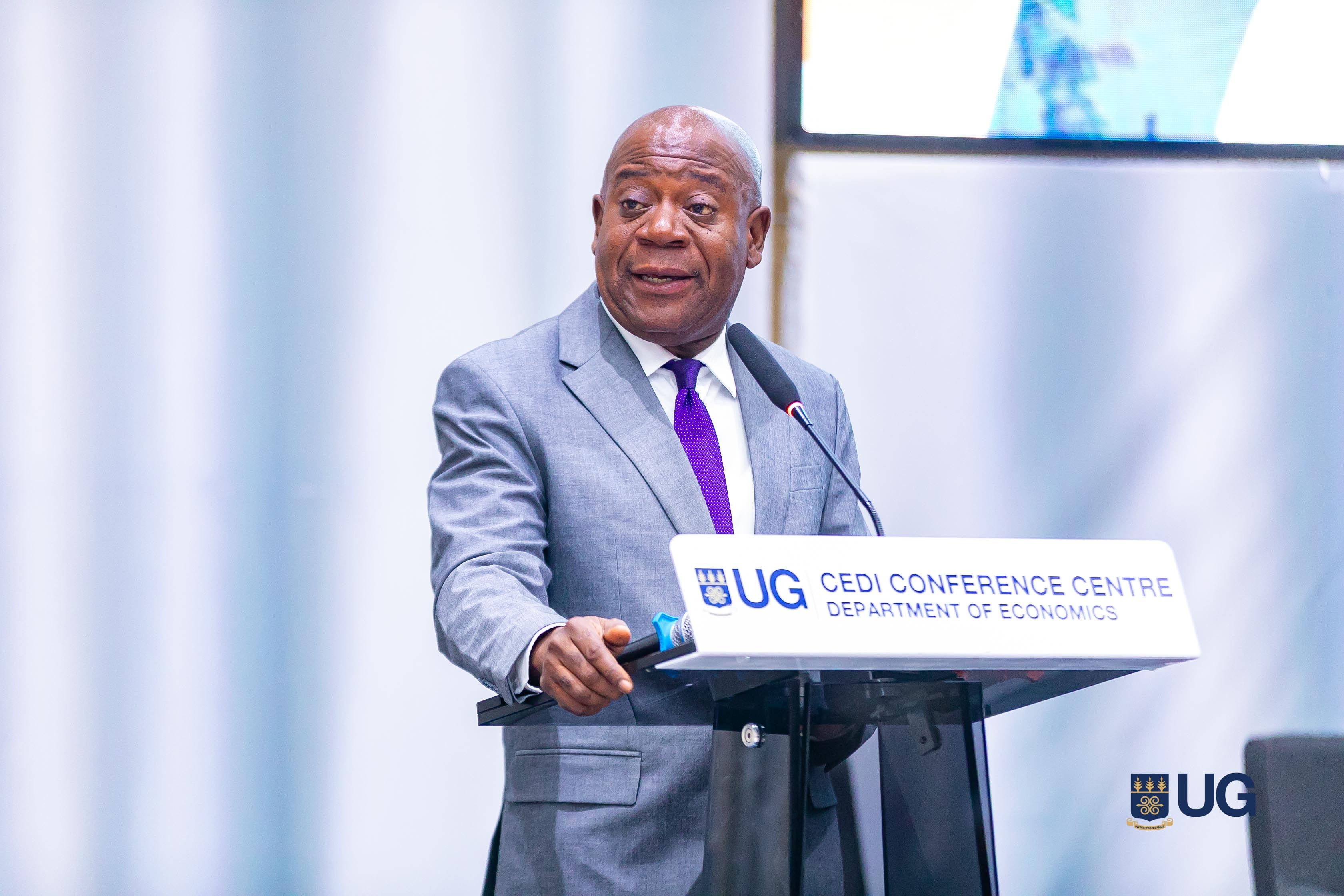
Prof. Samuel Nii Ardey Codjoe, Pro-Vice-Chancellor for Research, Innovation and Development
The Pro-Vice-Chancellor for Research, Innovation and Development, Prof. Samuel Nii Ardey Codjoe, described the Summit as an important platform for exploring how education could affirm African identities, celebrate the continent’s heritage and draw on the intellectual traditions of African people. He urged educators, policymakers, scholars and institutional leaders to champion African-centred approaches to teaching and learning while equipping students to contribute meaningfully to an increasingly interconnected world.
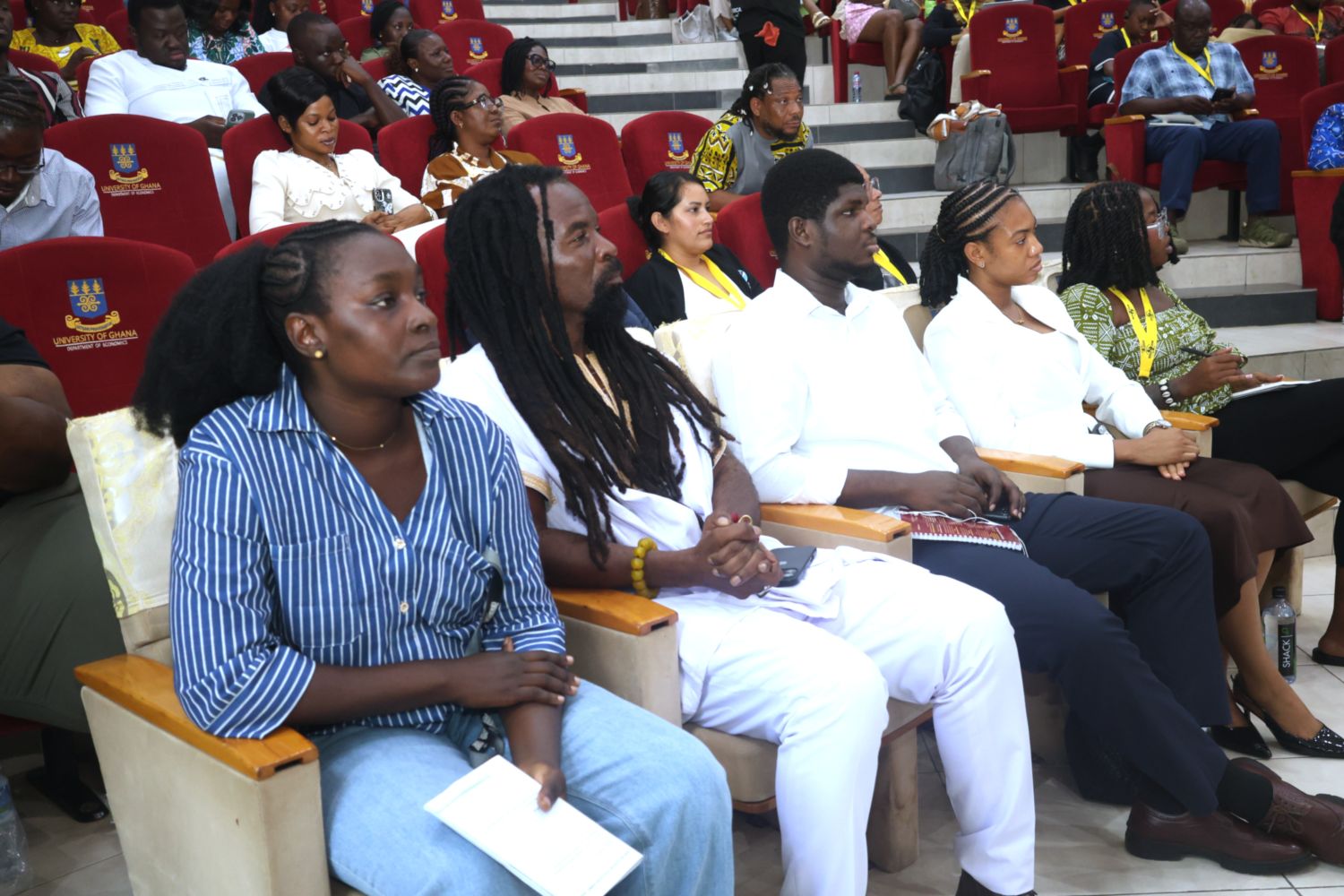
A cross-section of attendees
“We must champion African-centred pedagogies, tell our own stories, preserve our rich cultural heritage and recognise the immense value of African intellectual traditions and contributions to global knowledge,” he stressed. Prof. Codjoe also highlighted the University’s strategic priorities for 2024–2029, pointing to investments in digital infrastructure, innovative learning environments and partnerships across Africa and the diaspora as important avenues for advancing educational transformation.
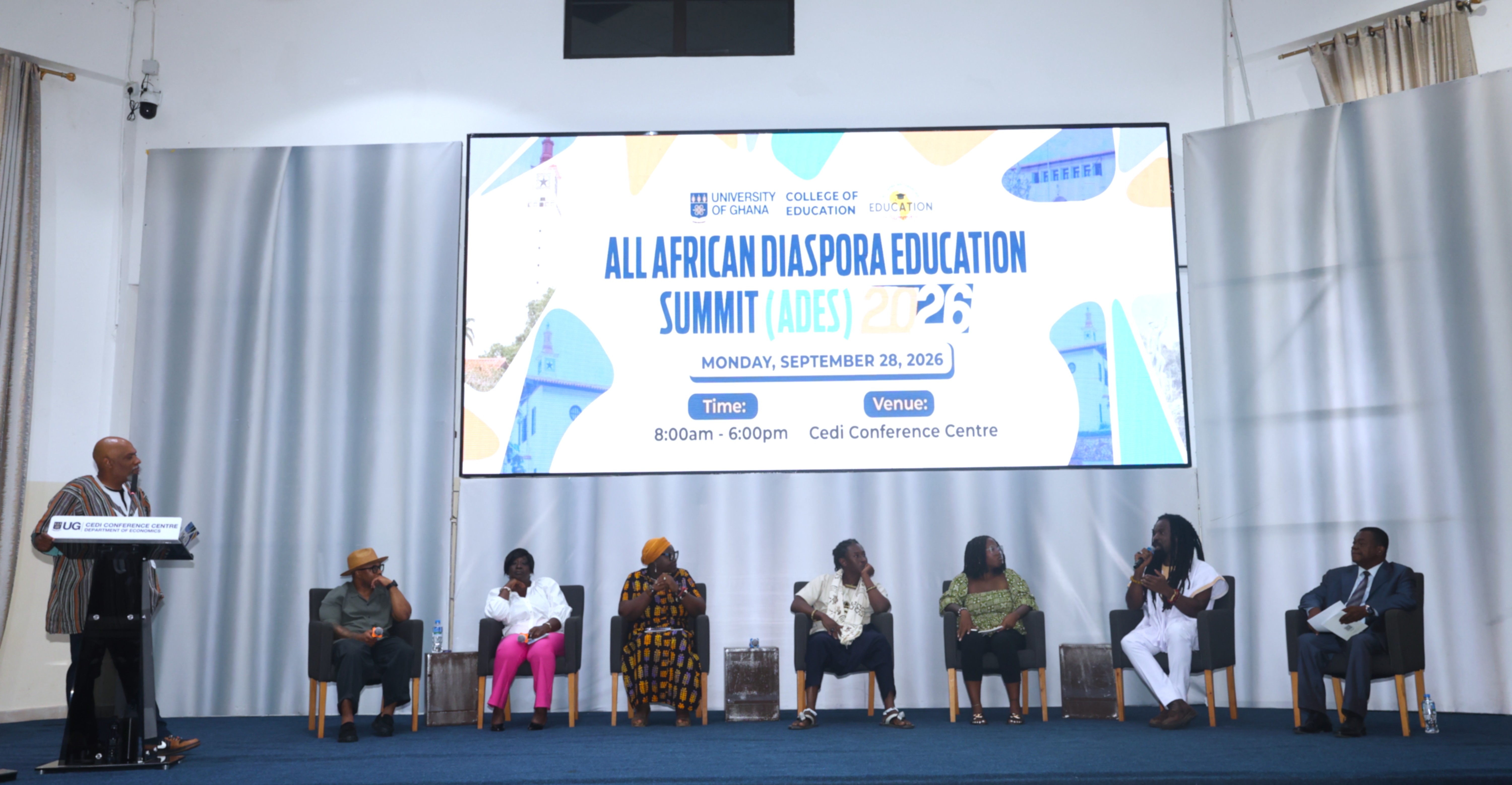
Panellist during the panel discussion session
A panel discussion facilitated by Mr. Lasan Hotep extended the conversation to the role of culture and the arts in education and identity formation. The panellists were Prof. Olivia Kwapong, Mr. Kwame Akoto Bamfo, Rocky Dawuni, Cebo Campbell, Dr. Sarah, Sheba Jennings and Prof. Yaw Oheneba Sakyi.
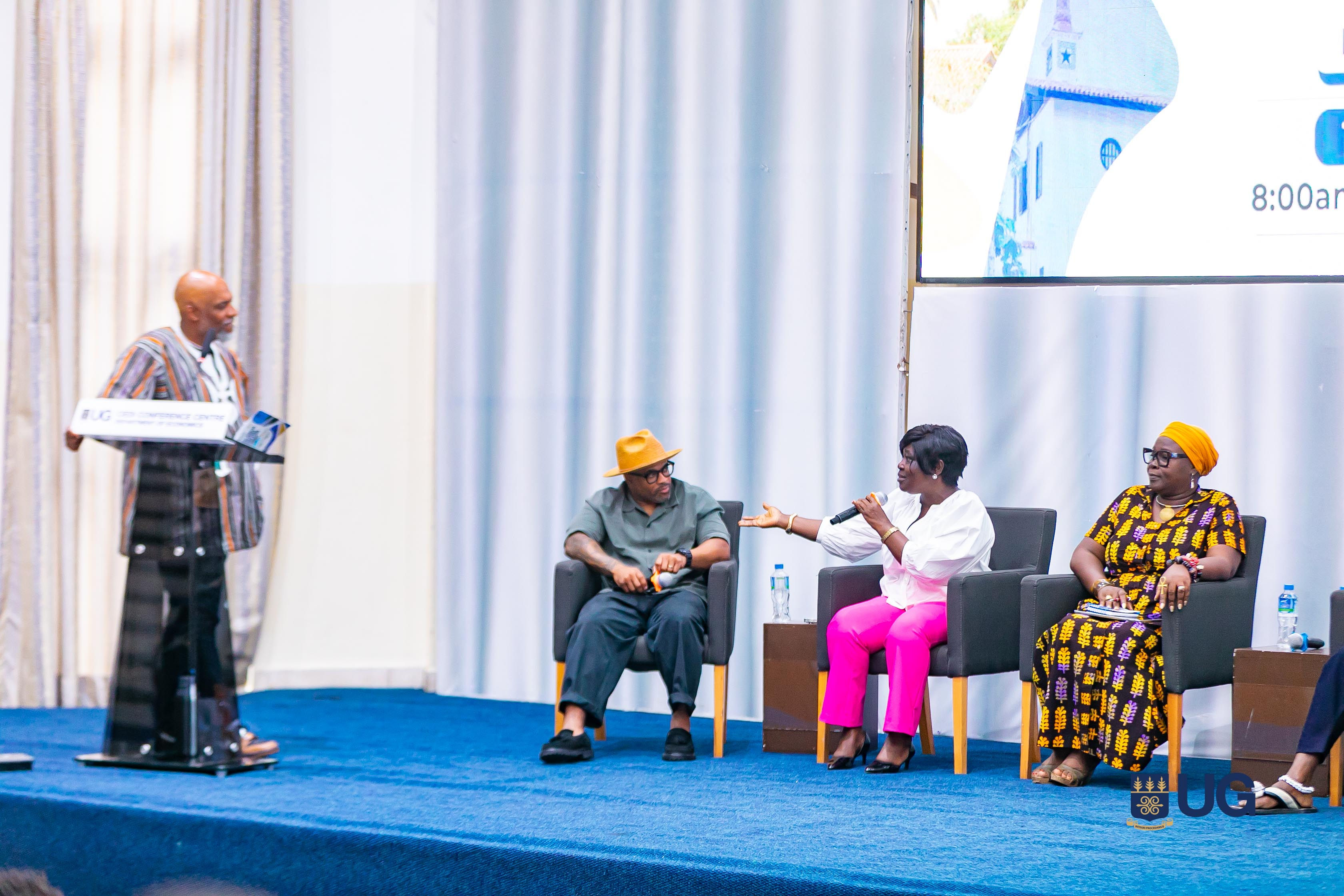
The discussion highlighted music, theatre, poetry and other artistic expressions as powerful tools for preserving cultural identity, promoting healing and providing platforms for people to communicate experiences that might otherwise remain unspoken. The panellists also examined the challenges confronting young people, particularly the desire among many to leave Ghana in search of better opportunities. They called on educators, researchers and leaders to address the factors driving this trend and explore practical ways to create opportunities for young people to thrive at home.
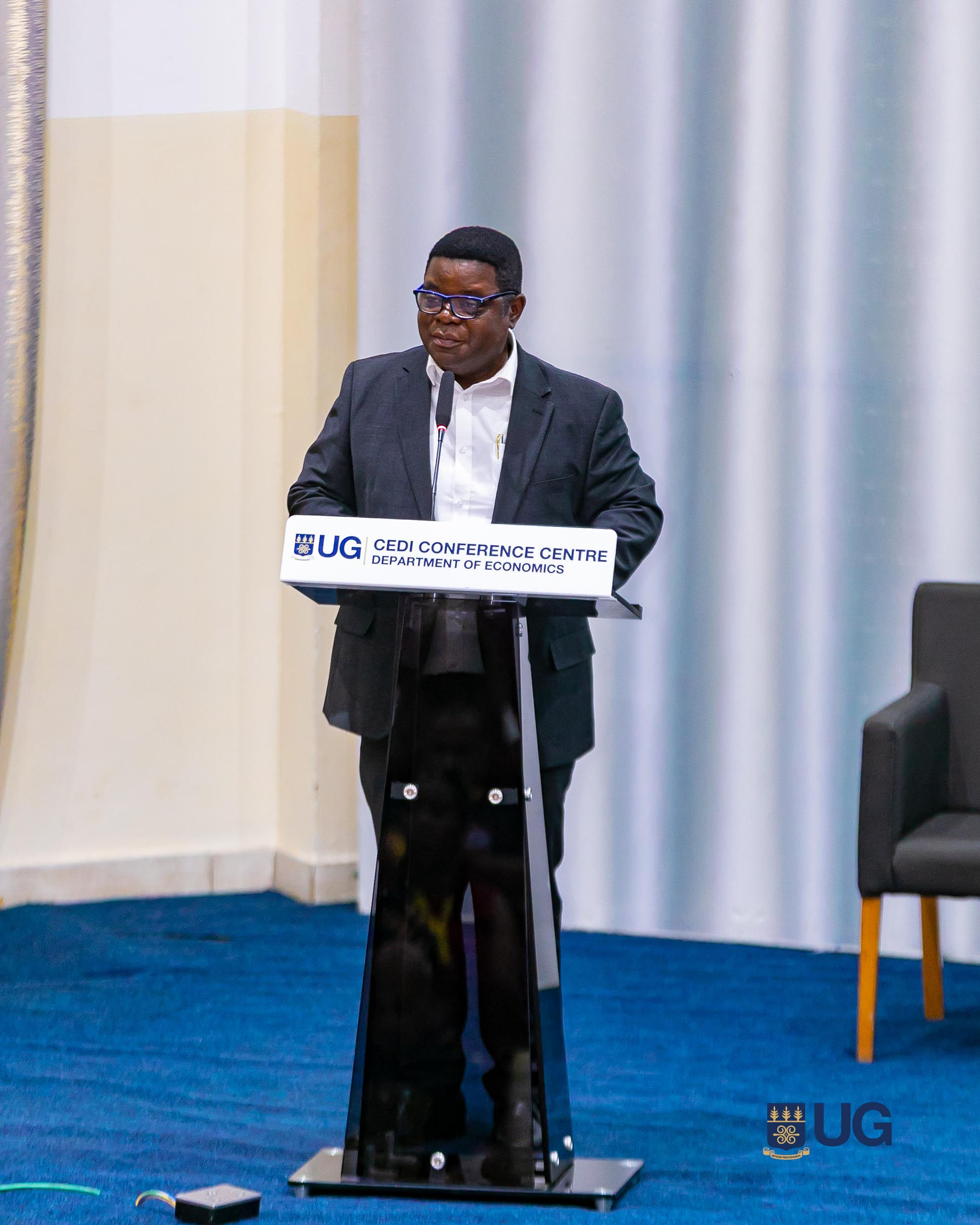
Prof. Peter Quartey, Provost of the College of Education, delivering closing remarks
In his closing remarks, the Provost of the College of Education, Prof. Peter Quartey, urged participants to translate the ideas generated at the Summit into practical initiatives. He stressed that education must extend beyond the transmission of knowledge to include the preservation of culture and the development of responsible citizens and leaders. He further called for stronger partnerships and initiatives that would expand opportunities for young people, stressing that the pursuit of sovereignty required knowledge, commitment and collective action.
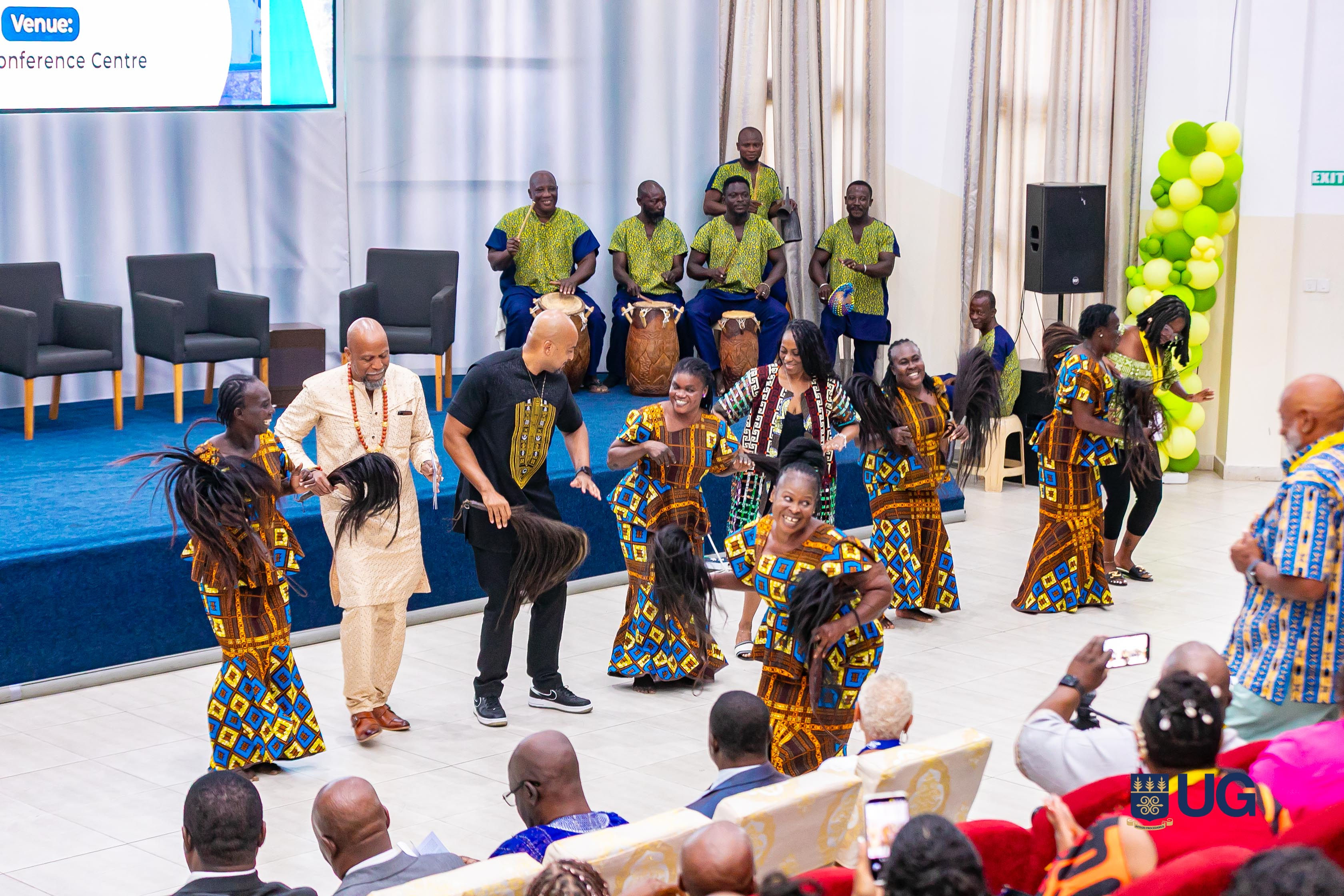
The Summit also highlighted a partnership involving the Pan-African Virtual College, Los Rios Community College District in California, the University of Ghana and the Ghana Space Science and Technology Institute. The collaboration is expected to create opportunities for students and scientists to undertake joint research in climate resilience and air quality.

The discussions and partnerships emerging from ADES 2026 reinforced the need for an education system that draws strength from Africa’s history, heritage and intellectual contributions while equipping its people to shape their future and engage confidently with the wider world. Editorial note: Before publication, please confirm the official designation of Prof. Kwaku Danso, the full name of “Dr Sarah” and the official name of the Pan-African Virtual College. These details have been retained as supplied to avoid introducing unverified information.